

Valuing Diversity in Contemporary Society: Reflections from Montenegro’s Fifth National Symposium on Autism Spectrum Disorders
By: Dr. Iva Ivanović and Ivana Popović
Centre for Early Development
Clinical Center of Montenegro
On April 1, 2026, the Centre for Early Development at the Clinical Center of Montenegro hosted the Fifth National Symposium on Autism Spectrum Disorders in Podgorica, under the theme “Valuing Diversity in Contemporary Society.” What began five years ago as a relatively small professional meeting has evolved into a major national and regional gathering dedicated to autism, neurodevelopment, and inclusion. This year’s symposium brought together clinicians, researchers, educators, policymakers, students, families, and advocates, reflecting a growing public and professional interest in how societies understand and respond to neurodevelopmental diversity.
The theme of this year’s symposium was intentionally chosen to move beyond the conventional clinical framing of autism as solely a diagnostic category. While scientific and medical perspectives remain essential, the symposium sought to broaden the conversation by asking a deeper question: What kind of society do we create when we choose to value diversity rather than perceive difference primarily through a deficit lens?
The scientific programme reflected this multidimensional approach. Presentations covered a wide range of topics, including language development in individuals with autism, diagnostic pathways and post-diagnostic support models, early brain development, neonatal and perinatal influences on neurodevelopment, and family-centered intervention systems. International and regional experts from the United Kingdom, Croatia, and other European institutions shared contemporary practices and comparative perspectives on autism care and early intervention.
A particularly significant contribution came from discussions examining autism beyond strictly biomedical paradigms. Dedicated sessions explored the intersection of diagnosis, identity, ethics, and social participation, considering how autism exists simultaneously as a clinical construct, a lived experience, and increasingly, a social identity. These conversations highlighted the complexity of diagnosis: while it often serves as a gateway to services and support, it can also shape how individuals are perceived, categorized, and included—or excluded—within society.
The symposium also served as an opportunity to present ongoing reforms within Montenegro’s National Early Childhood Development Strategy (2023–2027), through which the Centre for Early Development has been coordinating a broad range of systemic initiatives aimed at strengthening early identification and support for children with developmental differences and their families.
Among the key developments presented were the preparation of a National Guide for Early Childhood Development, the forthcoming National Guide for Early Intervention, and the training of more than 300 professionals across the health, education, and social welfare sectors in neurodevelopmental disorders and developmental surveillance. Participants were also introduced to the expansion of the PORI model (Family-Oriented Early Intervention) to additional municipalities, the development of protocols for healthcare professionals working with individuals with autism, and the implementation of parent and caregiver support programmes as part of broader efforts to build an integrated, family-centered support system.
These initiatives reflect Montenegro’s strategic commitment to shifting from fragmented and reactive models of care toward coordinated, developmental, and preventive approaches. In a country with limited human resources and centralized specialist services, building such systems requires not only institutional reform, but also sustained intersectoral collaboration and public engagement.
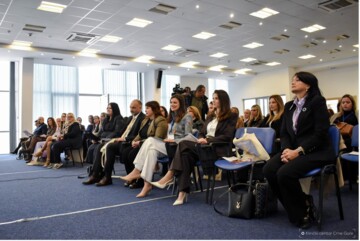
Figure 1: Opening ceremony of the Fifth National Symposium on Autism Spectrum Disorders
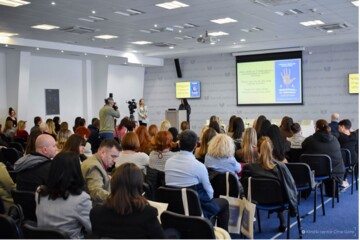
Figure 2: Participants attending the symposium under the theme “Valuing Diversity in Contemporary Society.”
Beyond its scientific content, the symposium carried a strong societal and ethical message. The opening remarks emphasized that autism and neurodevelopmental differences should not be discussed only in terms of deficits, symptoms, or service needs, but also in relation to the values through which societies define belonging, dignity, and solidarity.
As stated during the opening address:
“Societies do not divide only into developed and underdeveloped. They divide into those that are solidary and those that are not.”
This framing underscored a central idea of the symposium: that the true measure of a society lies not merely in its economic development or technological progress, but in its capacity to include those who develop, communicate, or experience the world differently.
Another message that resonated strongly throughout the event was:
“Montenegro is too small for our children to be separated.”
This phrase has become emblematic of the broader vision guiding autism and early childhood reforms in the country—one rooted in the belief that inclusion is not an optional addition to care, but a fundamental societal responsibility.
The growing attendance and visibility of the symposium over the past five years suggest that this conversation is increasingly resonating beyond specialist circles. What was once a niche professional meeting has become a platform for interdisciplinary exchange, public dialogue, and cultural reflection. The expansion of the audience each year mirrors a broader shift in Montenegro: from awareness toward deeper understanding, from stigma toward acceptance, and from isolated interventions toward systemic approaches.
At a time when many countries continue to grapple with fragmented autism services, long waiting times, and tensions between medical, educational, and social frameworks of disability, the Montenegrin experience illustrates how smaller systems can leverage strategic national planning and cross-sector collaboration to catalyze meaningful change.
The Fifth National Symposium on Autism Spectrum Disorders thus represented more than a scientific meeting. It was also a statement of values, an affirmation that conversations about autism are inseparable from conversations about human diversity, social responsibility, and the kind of communities we seek to build.
As Montenegro continues to develop its systems of early identification, intervention, and family support, the symposium remains a vital platform for advancing both professional knowledge and public understanding. Its continued growth reflects an encouraging truth: that when science, policy, and empathy come together, meaningful cultural change becomes possible.
This article represents the view of its author(s) and does not necessarily represent the view of the IACAPAP's bureau or executive committee.
