

Update on Special Interest Group on Coercive Control 2025-2026
By: Marie-José van Hoof, MD, PhD, MSc1
1 Child and Adolescent Psychiatrist, Psychotraumatherapist, CEO iMindU GGZ, Researcher affiliated with Amsterdam UMC, Chair of Expert Group on Trauma and Child Abuse and Neglect
To initiate the SIG, I prepared a text for the IACAPAP website and an article for the IACAPAP Bulletin of June 2025, issue 78, pp. 40-46 on request of the Executive Committee.
In addition, I gave a webinar on the topic on July 9th, 2025, see YouTube. The webinar was attended by 68 participants from across the world, primarily from Europe and Asia.
Further discussion of participant feedback and questions will take place during the SIG meeting on Coercive Control at the IACAPAP Meeting Point in the Congress Venue in Hamburg on July 2nd, 12.15 – 1.15 p.m.
I’ll provide an introduction to the topic of Coercive Control showing an interview with David Mandel from the Safe & Together Institute (USA). I recently had the opportunity to interview him online with the IACAPAP audience and SIG participants in mind. We met at a conference on domestic violence in November 2025, where the Dutch translation of his book ‘Stop Blaming Mothers and Ignoring Fathers: How to Transform the Way We Keep Children Safe from Domestic Violence’, was introduced. Figure 1 illustrates the cover of his book. He has expressed willingness to collaborate further with us globally. His work offers valuable perspectives on improving approaches to child safety in the context of domestic violence.
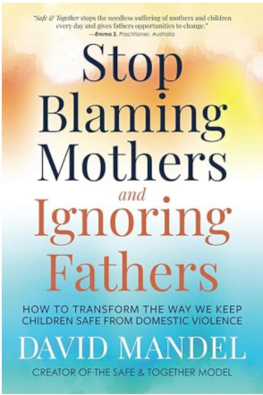
Figure 1: Cover Page of David Mandel’s Book
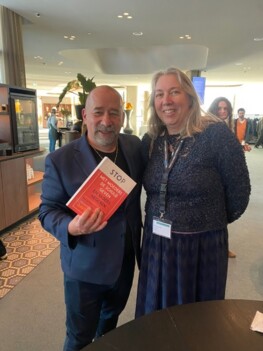
Figure 2: Marie-José van Hoof with David Mandel
In addition, we will discuss the many questions and suggestions raised by webinar participants, including supporting webinars and knowledge-sharing sessions that connect global perspectives on coercive control across contexts; recovery and autonomy; practical management in paediatric safeguarding assessments; translating conceptual understanding into prevention and intervention frameworks; therapist self-care. We also aim to develop a collection of key topics and a working structure for future activities within the SIG.
Given the possibility of lived experiences relating to the topic, the SIG aims to ensure a safe and respectful environment for participation. A buddy system may be introduced as part of the initiative.
Next webinar of the SIG on Coercive Control will be Wednesday November 11th at 1 PM Amsterdam | 1:00 PM CET | 12:00 PM UTC | 7 AM EST.
The intention is to find funding for a podcast and video interviews. Those interested in joining the SIG on Coercive Control are invited to e-mail info@iacapap.org with a brief statement of motivation and a short CV. Individuals interested in participating in podcast or video interviews, or those aware of potential sponsors for these audio-visual initiatives, are also encouraged to contact us at the same e-mail address. The SIG on Coercive Control aims to contribute meaningfully to the field of child and adolescent psychiatry through global collaboration and knowledge-sharing.
This article represents the view of its author(s) and does not necessarily represent the view of the IACAPAP's bureau or executive committee.
