

Tunisia Launches Its First National Clinical Practice Guideline for Autism Spectrum Disorder in Child and Adolescent
By: Hela Ben Abid1,2,7, Randaline Ayoub1,2,7, Abir Ben Hammouda1,3,6, Ons Nouira1,4, Fatma Charfi1,3,6and Asma Bouden1,5,6
1Board of the Tunisian Society of Child and Adolescent Psychiatry.
2Department of Child Psychiatry, Fattouma Bourguiba Hospital, Tunisia
3Department of Child Psychiatry, Mongi Slim Hospital, Tunisia.
4Private Practice Child and Adolescent Psychiatrist, Tunisia.
5Department of Child Psychiatry, Razi Hospital, Manouba.
6Faculty of Medicine of Tunis, University of Tunis El Manar, Tunisia.
7Faculty of Medicine of Monastir, University of Monastir, Tunisia.
Introduction
Autism Spectrum Disorder (ASD) represents a major public health and developmental challenge worldwide, requiring early identification, coordinated multidisciplinary care, and sustained family support. In Tunisia, clinical practices related to ASD have long relied on heterogeneous approaches and limited access to standardized guidance.
In this context, the launch of the first Tunisian national clinical practice guideline for Autism Spectrum Disorder (ASD) in children and adolescents marks a significant milestone in mental health care. This guideline has been developed by the STPEA (Tunisian Society of Child and Adolescent Psychiatry) and accredited by the National Authority for Evaluation and Accreditation in Health (INEAS). It aims to harmonize clinical practices, improve diagnostic accuracy, and enhance the quality of care for children and adolescents with ASD across the country.
Why National Guidelines Were Needed ?
Prior to this initiative, Tunisia lacked an officially endorsed, nationally adapted clinical framework for ASD in children and adolescents. Clinicians often face challenges related to variability in diagnostic pathways, delayed identification, and unequal access to evidence-based interventions. Families, in turn, experienced fragmented care trajectories and significant regional disparities in services.
A national guideline provides a standardized, evidence-based framework that supports early identification, promotes coordinated multidisciplinary care, and ensures consistency in educational, health, and social interventions. The need for a national guideline was therefore both clinical and strategic. It serves as a reference for professionals, families, and policymakers, facilitating equity of care, quality improvement, and alignment with international best practices.
Development of the Guideline
The guideline was developed through a structured, collaborative process led by the Tunisian Society of Child and Adolescent Psychiatry, in partnership with national health stakeholders. A multidisciplinary panel of experts, including the main multi-disciplinary professionals involved in ASD care: child psychiatrists, psychologists, speech and language therapists, occupational therapists, and pediatricians reviewed and adapted internationally recognized clinical guidelines, ensuring methodological rigor while contextualizing recommendations to the Tunisian healthcare system.
The final document reflects a consensus-based approach, integrating current scientific evidence with expert clinical judgment and national priorities.
Core Content and Structure
The guideline outlines a comprehensive, pragmatic framework covering the main phases of ASD care including:
- Early identification and screening, with emphasis on developmental surveillance and timely referral.
- Diagnostic assessment, highlighting standardized clinical evaluation and multidisciplinary collaboration.
- Individualized intervention planning, promoting evidence-based psychosocial, educational, and therapeutic approaches.
- Family involvement and support, recognizing caregivers as central partners in care.
- Coordination across services, including health, education, and social sectors.
The Launch Event
The official launch of the guideline took place at Razi Hospital on 16/12/2025 during a national scientific event. This occasion brought together clinicians, researchers, policymakers, and representatives from civil society.
Key speakers emphasized the historical importance of this initiative and its potential impact on everyday clinical practice. They initially presented the context of the guideline’s development and detailed the allocation of responsibilities for its drafting. Subsequently, the methodology followed in the guideline was detailed. The subsequent interventions presented by the group leaders provided detailed insights into the manuscript’s structure and content, and outlined the modalities for its dissemination. The presentations concluded with a testimonial from a parent of a child with ASD. The event also provided a platform for discussion around implementation challenges, training needs, and future updates, underscoring the guide’s role as a living document rather than a static publication.

Figure 1: Guests attending the launch of the guideline at Razi Hospital.

Figure 2: Opening statement
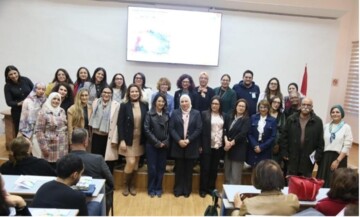
Figure 3: Members of the editorial committee
Significance for Clinical Practice and Policy
This first national ASD guidelines in children and adolescents represents a major step toward standardizing care pathways and reducing disparities in access to quality services. It is expected to support professional training, facilitate interdisciplinary collaboration, and strengthen advocacy efforts for children and adolescents with neurodevelopmental disorders.
At a broader level, the guideline contributes to the development of national mental health policy by providing an evidence-informed foundation for service planning, evaluation, and resource allocation.
Looking Ahead
Future steps include wide dissemination of the guideline, integration into continuing professional development programs, and monitoring of its implementation in clinical settings. The Tunisian Society of Child and Adolescent Psychiatry also plans periodic updates each 5 years to ensure alignment with emerging evidence and evolving national needs.
Conclusion
The launch of Tunisia’s first national clinical practice guidelines for ASD in children and adolescents marks a landmark achievement in mental health care. It reflects a collective commitment to improving the well-being of children with ASD and their families, while contributing to global efforts toward equitable, evidence-based mental health care.
This article represents the view of its author(s) and does not necessarily represent the view of the IACAPAP's bureau or executive committee.
