

Tracing a Legacy: In Conversation with Professor Myron Belfer – A Witness to the Evolution of IACAPAP
By: Dr Lakshmi Sravanti, Deputy Bulletin Editor of IACAPAP, Assistant Professor in the Department of Child and Adolescent Psychiatry, National Institute of Mental Health and Neurosciences (NIMHANS)
Professor Myron Belfer, child psychiatrist, global mental health advocate, and one of the most influential past presidents of the International Association for Child and Adolescent Psychiatry and Allied Professions (IACAPAP), joined Dr. Yewande Oshodi (Secretary-General, IACAPAP) for a reflective and warm conversation on his unconventional entry into psychiatry, his decades-long association with IACAPAP, the organisation’s early years, its transformation, and the lessons carried forward.
This interview offers a rare opportunity to hear directly from someone who has seen IACAPAP evolve – from a small, largely psychodynamic “club” of leading professors to the global educational and advocacy body it is today.
Below are selected excerpts from the discussion.
To watch the full interview, visit: https://youtu.be/wizNQ9Lwzwg
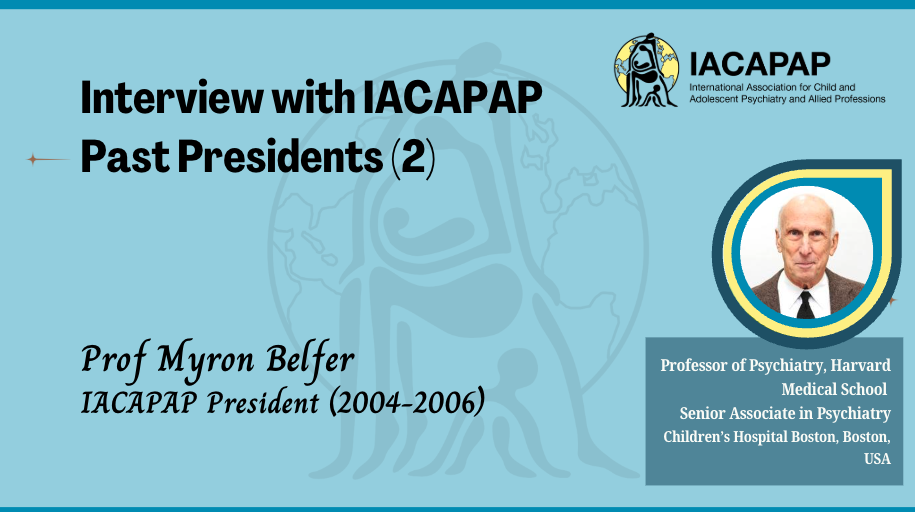
Figure 1: Cover – Interview with IACAPAP Past Presidents (2)
Beginnings and Early Influences
Prof. Belfer opens with characteristic candour – he had never planned to become a psychiatrist at all. He hoped to pursue research in stress and neuroendocrinology, yet limited opportunities in that era steered him toward psychiatry. Child psychiatry, however, had always been his true interest.
“I always wanted to be a child psychiatrist. I had an interest in stress–maternal–fetal interactions. Research got me into psychiatry.”
His early fascination with maternal–fetal interactions and stress physiology became the foundation for a clinical and academic career that would later intersect with global mental health advocacy.
Joining IACAPAP in the 1970s: A Different Era
He recalls entering IACAPAP in the 1970s, a period that marked the beginning of his long association with the organisation. Prof. Belfer traces his association with IACAPAP back nearly five decades. A pivotal turning point came when William Ayres invited him to take on a leadership role:
“He knew me from the American Academy, where I was active, and asked if I wanted to be treasurer.”
This began Belfer’s long leadership trajectory within the organisation.
Presidency in the Early 2000s: A Pivotal Period
When asked about his term of office, he reflects with characteristic humility:
“I think it was in the early 2000s… 2003. But I had been involved in IACAPAP for many years before that.”
By then, he had already been deeply embedded in the organization for decades, giving him an unmatched perspective on global changes in child mental health — from training capacity to geopolitical influences on children’s wellbeing. His presidency coincided with a period of organisational expansion and strengthening of international collaborations.
Mentorship across Generations
The interview captures a profound sense of continuity, mentorship, and legacy. A particularly touching moment emerged when he said warmly:
“I know you from when you were a young person… so it’s wonderful to see you as Secretary General.”
The conversation itself became a symbol of IACAPAP’s intergenerational legacy – senior mentors enabling younger leaders who now steward the next era.
A Continuing Commitment to Global Child Mental Health
During the conversation, Dr. Oshodi highlighted Prof. Belfer’s early financial contribution to IACAPAP’s growth, prompting him to reflect on the intention behind it.
Dr. Oshodi: “You recently were gracious enough to support the IACAPAP with a seed grant…”
Prof. Belfer responded with characteristic modesty. The gesture, though understated by him, represented a meaningful act – demonstrating confidence in the organisation’s mission and helping catalyse new activities at a time when resources are limited. It reflects a broader pattern throughout his career: enabling opportunities, nurturing future leaders, and investing in structures to build global child and adolescent mental health capacity.
Watch the Full Interview
To enjoy the complete conversation filled with anecdotes, historical insights, and Prof. Belfer’s reflections on the future of global child mental health in an evolving global landscape, watch the complete interview here:
👉 Access the full interview here: https://youtu.be/wizNQ9Lwzwg
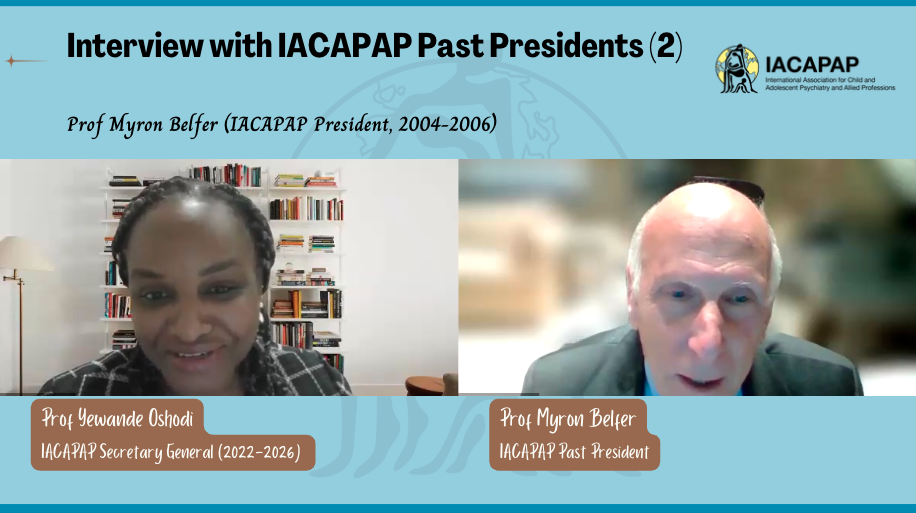
Figure 2: Prof Yewande Oshodi in conversation with Prof Myron Belfer
