

The XXV RSCANP Congress and the 47th National Conference on Neurology, Psychiatry and Associated Professions for Children and Adolescents – Brașov, 2025
By: Adriana Cojocaru, Assist. Prof. Dr. MDPhD, "Victor Babeş" University of Medicine and Pharmacy Timisoara, President of Romanian Society of Child and Adolescent Neurology and Psychiatry (RSCANP)
The Romanian Society of Child and Adolescent Neurology and Psychiatry (RSCANP) organized, between September 24–27, 2025, in Brașov, Romania, the XXV RSCANP Congress and the 47th National Conference on Neurology, Psychiatry and Associated Professions for Children and Adolescents. The event brought together specialists in pediatric neurology, pediatric psychiatry, genetics, physical therapy, neurosurgery, psychology and related professions, creating an academic framework of excellence and interdisciplinary dialogue on the mental and neurological health of children and adolescents. This scientific event was attended by renowned lecturers from Romania and 6 other countries.
Objectives of the Congress
The main objectives of the congress were to present the latest scientific studies, discoveries and case studies, to encourage multidisciplinary dialogue and exchange of experience, to facilitate continuous professional training and to develop collaboration between specialties to improve the care of pediatric patients with neurological and psychiatric conditions.
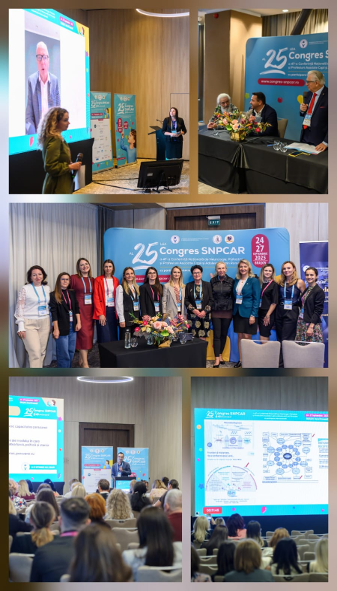
Figure 1: Images from the RSCANP 2025 Congress, illustrating its multidisciplinary nature through contributions from specialists in neurology, psychiatry, neurosurgery, physiotherapy, and psychology.
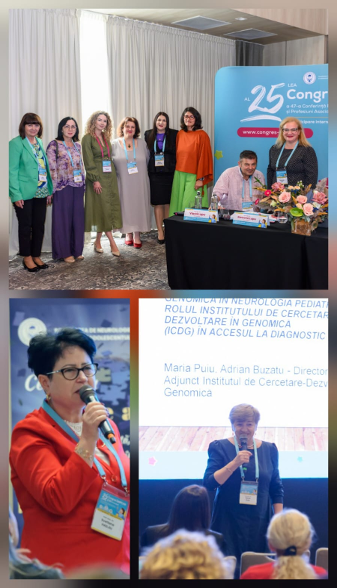
Figure 2: Scientific presentations highlighting the close relationship between genetics, neurology, and psychiatry, as well as the importance of integrating psychotherapeutic interventions.
SNPCAR Pre-Congress Course – September 24, 2025
The event started with a day dedicated to training and professional updating, within the SNPCAR Pre-Congress Course. Participants benefited from a focused perspective on novelties in pediatric neurology and child and adolescent psychiatry, with a focus on practical interventions and immediate clinical applicability.
- News in child epilepsy – presentations on the latest international guidelines, epilepsy genetics and personalized therapies.
- The contribution and importance of EEG in pediatric neurological pathology – session dedicated to the interpretation of EEG pathways and clinical applicability.
- Hypnosis: techniques, applicability and therapeutic perspectives – valuing clinical hypnosis as a scientifically validated therapeutic tool.
SNPCAR Congress – September 25–27, 2025
The SNPCAR 2025 Congress brought to the fore major themes that reflect the current directions of research and clinical practice in the field of pediatric neurology and psychiatry.
Neurology and Recovery Session – Children and Adolescents
- Rare neurological diseases – interdisciplinary approach to early diagnosis and modern therapies, including advances in genetics, innovative therapies for muscular dystrophies, spinal atrophy, neurometabolic diseases and rare genetic syndromes.
- Physical therapy and modern recovery techniques – emphasis on recuperative therapies and smart motor rehabilitation technologies, improving quality of life through high standards of care.
Psychiatry, Psychology and Psychotherapy Session – Children and Adolescents
- Affective disorders – evaluation, diagnosis and therapeutic intervention. The discussions focused on treatment-resistant depression, bipolar disorders, new pharmacological and psychotherapeutic directions, as well as the relationship between early trauma, resilience and affective disorders.
- Emotional, physical and sexual abuse – presentations focused on the psychological and emotional impact of trauma, mechanisms for the protection of minors and the role of specialists through a multidisciplinary approach in the emotional rehabilitation of victims and the transition to adulthood.
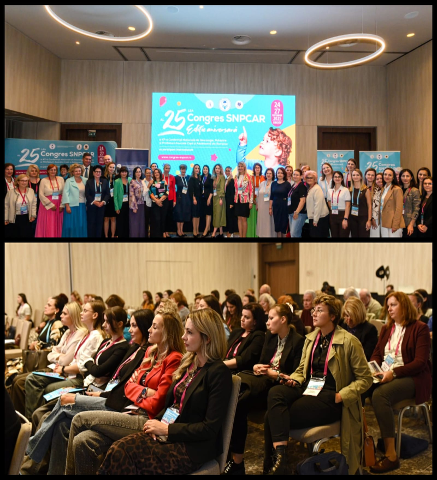
Figure 3: Some of the participants at the RSCANP 2025 Congress, representing all around the world.
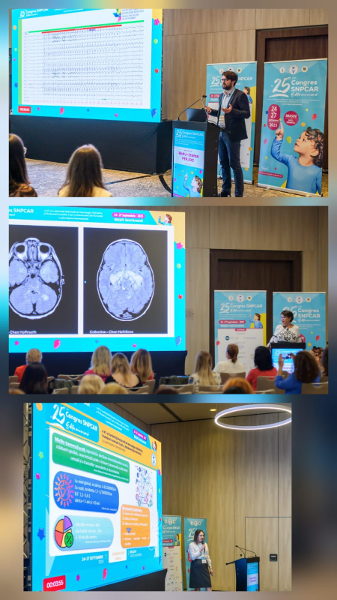
Figure 4: Presentations at the RSCANP 2025 Congress addressing electroencephalography, brain imaging, and conceptual models of neuropsychiatric disorders.
35 years of SNPCAR activity
The 2025 congress also had an anniversary dimension, marking 35 years since the establishment of SNPCAR. The medical community celebrated the significant advances made in specialist training, interdisciplinary research and care for children with special neuro-psychiatric needs.
Conclusions
The XXV SNPCAR Congress and the 47th National Conference demonstrated the commitment of the Romanian medical community to excellence, through education, research and interdisciplinary collaboration. The event highlighted how national societies can progress by integrating new research, clinical practice and multidisciplinary services.
Preview – The XXVI RSCANP Congress and the 48th National Conference on Neurology, Psychiatry and Associated Professions for Children and Adolescents – Cluj-Napoca, September 23-26, 2026
For 2026, SNPCAR continues the tradition of scientific excellence, proposing the following central themes:
SNPCAR 2026 Pre-Congress Course
Neurology and Recovery Session – Children and Adolescents:
• Movement disorders of the central nervous system.
• Recovery techniques in neuromuscular pathology.
Psychiatry, Psychology Session – Children and Adolescents:
• Sleep disorders.
• Multidisciplinary approach to addictions.
SNPCAR Congress 2026
Neurology and Recovery Session – Children and Adolescents:
• Genetic and inflammatory diseases of the central nervous system.
• Pharmacotherapy in epilepsy.
• Artificial intelligence in neurological diseases.
Psychiatry, Psychology Session – Children and Adolescents:
• ADHD and comorbidities.
• Scientifically validated psychopharmacological and psychotherapeutic interventions.
• Gender identity disorders.
The Romanian Society of Child and Adolescent Neurology and Psychiatry (RSCANP) invites you to the next edition of its annual congress, an event dedicated to innovation, research and interdisciplinary collaboration in pediatric neurology and psychiatry.
This article represents the view of its author(s) and does not necessarily represent the view of the IACAPAP's bureau or executive committee.
