

The Burden of Hope: Exam-Related Depression in Adolescents in South Punjab Pakistan
By: Dr. Khizra Mussadiq,Consultant Psychiatrist, Multan, Pakistan, Early Career Group Member, IACAPAP
A few months ago, a 16-year-old girl came to my outpatient clinic along with worried parents, complaining of recurrent vomiting episodes persisting for several weeks with unremarkable laboratory investigations. It was only upon supportive evaluation that she revealed persistent low mood, sleep disturbance, and an overwhelming fear of disappointing her parents in her upcoming matriculation board examinations. She described feeling "trapped between expectations and exhaustion," dreading over the idea of shattering her mother’s silent hope that she would not pursue a medical career, a sentiment that has become increasingly familiar in our clinical practice.
Following this, I noticed a sudden surge in such cases. In another case, a 15-year-old girl presented with significant distress even while being confident about her academic preparation. She described an unendurable psychological weight on her shoulders, continuing to ruminate on the experience. She expressed this by mentioning a local expression of grief, the experience would take "more than a river" to move beyond.
The months of March-May represent a high-stakes period in our setting, as board examinations for matriculation (grades 9–10) and intermediate (grades 11–12) are held. Across our psychiatry services in South Punjab, Pakistan, we are observing a noticeable rise in adolescents presenting with depression, anxiety, and somatic symptoms. Parents initially consult general practitioners for physical complaints in their children, such as headaches and abdominal pain; often leading to psychiatric referral. In other cases, parents themselves recognize the severe emotional suffering in their child, for example, persistent inconsolable agitation, and in some cases, passive death wishes or self-harm ideation, prompting direct psychiatric consultation.
This pattern reflects a broader socio-cultural context. In Pakistani children, high-stakes examinations like these serve as primary gateways in deciding their lifelong careers. Success is closely tied to family expectations, comparison with relatives, and social advancement. In my work within a Social Security hospital serving largely factory and industrial workers, I see families who have worked hard throughout their lives hoping that their children will achieve greater stability and opportunity. While these aspirations are rooted in good intentions, they can become an intense psychological torment for adolescents.
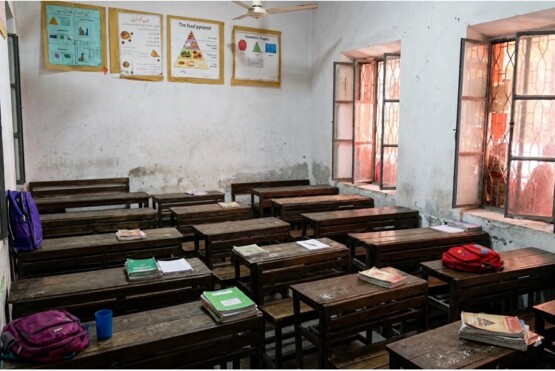
Figure 1. Empty classroom for matriculation grades in a girls’ school in South Punjab, Pakistan. (Image used with permission)
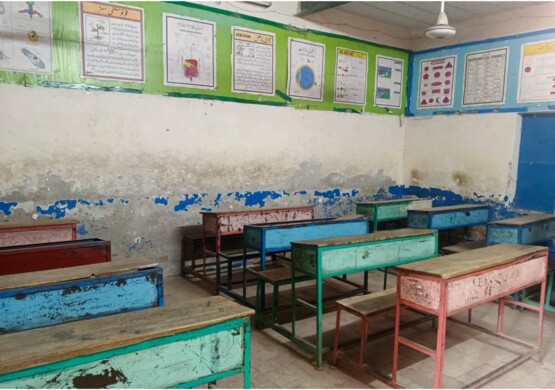
Figure 2. Empty classroom for matriculation grades in a boys’ school in South Punjab, Pakistan. (Image used with permission)
This is further exacerbated by limited access to structured mental health support in schools. Only a few institutions possess trained counselors, which usually do not come under the affordable range of an average parent. Emotional distress is often normalized as part of academic struggle, resulting in delayed recognition of emerging psychiatric symptoms.
In addition, institutional academic practices may further heighten distress, as students undergo repeated cycles of assessment including daily tests, half-book and full-book evaluations, pre-board examinations, and final board examinations, often with minimal recovery time between them. Institutions also often focus on using motivational statements emphasizing past failures rather than balanced success stories. While intended to improve performance, these strategies can contribute to additional psychological strain and burnout.
Although examination-related stress is a global phenomenon, its impact may be more profound in low- and middle-income countries, where competition is extreme and alternative career pathways are less socially accepted. The combination of scholastic pressure, limited mental health resources, and cultural expectations creates a particularly delicate environment for adolescents.
Addressing this issue does not necessarily demand high-cost interventions. Schools can introduce basic mental health awareness sessions during examination periods to help students recognize and share their distress with their parents or peers. Parent-focused psycho-education can encourage supportive communication and realistic expectations. Teachers, often being the first point of contact, can be trained to identify early behavioral changes.
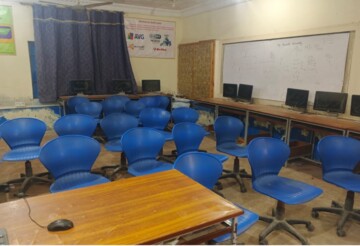
Figure 3. Empty classroom for intermediate grades in a boys’ college in South Punjab, Pakistan. (Image used with permission)
From a clinical perspective, early identification remains the most crucial. Brief screening for mood symptoms during stressful academic periods, even in primary care settings, may help detect at-risk adolescents. Simple interventions such as supportive counseling, stress management strategies, and family engagement can prevent progression to more severe conditions.
In many cases, when adolescents become severely distressed, parents claim that they are willing to set the expectations aside and pray only for their child's emotional relief. These observations raise an important question: are examinations only assessing academic competence, or have they become a significant psychological stressor? For many adolescents, this period represents not only an academic evaluation but also profound emotional vulnerability. During my residency training, I encountered a few young adults diagnosed with schizophrenia, in whom families sometimes retrospectively associated symptom onset with failure in the MDCAT (Pakistan’s highly competitive medical college entry test exam), although causality cannot be assumed.
As clinicians in child and adolescent mental health, there is a growing need to highlight and respond to this emerging problem with both clinical sensitivity and systemic awareness. The challenge extends beyond just providing individual care to also advocating for such strategies that would support adolescent mental well-being alongside academic achievement.
For many young people in our culture, the burden is not failure, but the fear of disappointing those who believe in them.
This article represents the view of its author(s) and does not necessarily represent the view of the IACAPAP's bureau or executive committee.
