

The 4th International Conference of the Egyptian Child & Adolescent Psychiatry Association in Collaboration with the 5th Mansoura Child & Adolescent Congress of Psychiatry
By: Suaad Moussa, Emeritus. Prof. of Psychiatry, President of the Egyptian Child & Adolescent Psychiatry Association (ECAPA).
The Egyptian Child and Adolescent Psychiatry Association (ECAPA) organized its fourth conference entitled “Transforming Child & Adolescent Psychiatry” between December 18 -19, 2025, in Ras El Bar, Damietta, Egypt, the first to be held outside Cairo. The event was attended by 265 participants and brought together specialists in child and adolescent psychiatry, general psychiatry, psychologists and social workers not only from Egypt but also from Oman, Libya, the Gambia and members from the British Arab Psychiatry Association (BAPA).
The congress aimed to update participants’ evidence-based knowledge in child and adolescent mental health, while fostering collaboration among national and regional professionals to support continuous professional development. Although ECAPA is primarily an organization for child and adolescent psychiatrists, its conferences consistently attract a wide multidisciplinary audience, particularly psychologists and other allied mental health professionals, reflecting the collaborative and multi-disciplinary nature of contemporary child mental health care.
A central focus of the congress was the enhancement of clinical expertise through high-quality workshops and master classes led by eminent professionals. Equally important was providing a forum for open discussion and brainstorming around the challenges facing child and adolescent mental health services both regionally and internationally, with particular attention to the evolving role of technology and the threats and opportunities it presents for the field.
The scientific program opened with an exciting first-day morning session. Two focused lectures addressed attention-deficit/hyperactivity disorder (ADHD), exploring both its less-discussed dimensions and practical clinical complexities. “ADHD and Social Cognition: The Untold Story” highlighted emerging evidence on social processing in affected children, while “ADHD: Managing the Scattered Puzzles” offered a comprehensive, clinically grounded approach to assessment and management. These were followed by two symposia addressing pressing and diverse topics: the psychosocial consequences of sexual abuse among children referred to tertiary care facilities in Oman, and innovative approaches that move beyond conventional therapies for children. A master class on the child psychiatric forensic interview provided in-depth, practice-oriented training that was particularly valued by clinicians working at the interface of mental health and legal systems.
The opening ceremony was attended by distinguished guests, including the Dean and the General Hospital Director of Mansoura University, the Chair of the Psychiatric Department at Mansoura University, the President of the Egyptian Psychiatric Association, Secretary General of the Arab Psychiatrists Federation, and the Minister of Health of The Gambia. The ceremony underscored the regional and international significance of the meeting and the growing recognition of child and adolescent mental health as a public health priority. The opening plenary lecture, “Child Psychiatry: Paradigm Shift and Beyond,” set an ambitious tone for the congress by examining evolving conceptual frameworks and future directions in the field.
The afternoon session of the first day continued with a focused lecture on obsessive–compulsive disorder (OCD) in children, followed by a symposium on biomarkers in neurodevelopmental disorders, reflecting the increasing integration of neuroscience and biological research into clinical practice. Oral presentations covered a wide range of clinically relevant topics, including the varied presentations of conduct disorder, the concept of “food noise” and its manifestations in anorexia nervosa and obesity, and the challenges of accurate diagnosis and individualized treatment planning.
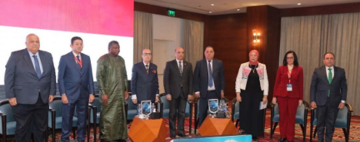
Figure 1: The Opening Ceremony from right to left Prof. Hesham Ramy Treasurer of Egyptian Psychiatric Association EPA, Prof. Suaad Moussa President of ECAPA, Prof. Salwa Tobar Chair of Psychiatric Department Mansoura University, Prof. Elshaarawy Kamal General Director of Mansoura Univeristy Hospitals, Prof. Ashraf Shuma Dean of Faculty of Medicine Mansoura University, Prof. Momtaz Abdel Wahab President of EPA, HE Ahmadou Lamin Samateh Minister of Health of the Gambia, Prof. Mahmoud Elwasify General Secretary of ECAPA Conference and Prof. Mostafa Shaheen Secretary General of the Arab Psychiatrists Federation
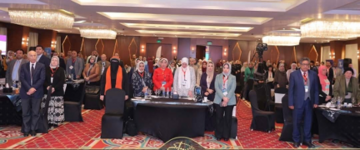
Figure 2: Attendances participated at the Opening Ceremony.
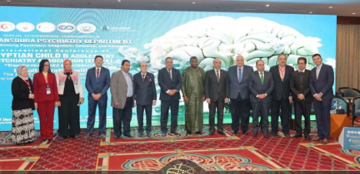
Figure 3: Participants in the ECAPA 2025 Conference, from different disciplines and several countries
The second day featured two oral presentations that further broadened the scope of the congress. Topics spanned dissociative seizures and their management from childhood into adulthood, the role of oxidative stress in autism spectrum disorder, and the use of salivary cortisol as a biological marker in disruptive and aggressive behavior among adolescents. Other presentations emphasized therapeutic and psychosocial dimensions of care, including narrative practices for calming children with anxiety disorders, principles of integrating child psychiatry into pediatric practice, supporting children with psychiatric conditions in the context of grief, and the art and science of prescribing psychotropic medications for children and adolescents.
Overall, the ECAPA Conference successfully fulfilled its objectives by combining cutting-edge scientific content, practical clinical training, and meaningful opportunities for professional networking. The breadth of topics and the diversity of perspectives reinforced the importance of multidisciplinary collaboration and ongoing innovation in advancing child and adolescent mental health care in the region and internationally. Several multi-center research studies were discussed aiming to broaden research capacity in Egypt. The Conference concluded with several recommendations highlighting the importance of the subspecialty of liaison child psychiatry and the need for further training in the field of forensic interviewing of the child in our region. Several multicentre research projects were discussed.
Presentations from 4th ECAPA Conference 2025
Presentations covered a variety of topics considering the future of the field, beyond conventional therapies for children, psychosocial consequences of sexually abused children, the many faces of conduct disorder, salivary cortisol as a biological marker in disruptive aggressive behavior in adolescents, narrative practice in calming children with anxiety disorders, facing grief in children with psychiatric conditions and principles of applying child psychiatry in pediatrics practice.
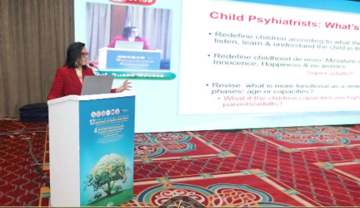
Figure 4: Presentation at the 4th ECAPA Conference 2025
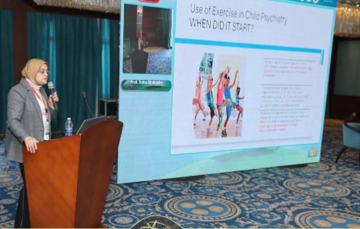
Figure 5: Presentation at the 4th ECAPA Conference 2025
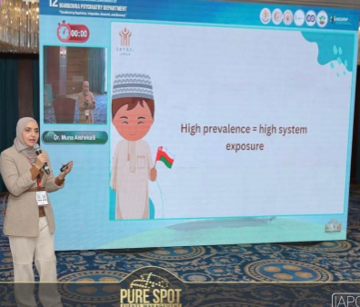
Figure 6: Presentation at the 4th ECAPA Conference 2025
This article represents the view of its author(s) and does not necessarily represent the view of the IACAPAP's bureau or executive committee.
