

The 35th National Congress of Child and Adolescent Mental Health and Disorders Türkiye
By: Ayşenur Özer Güvenç¹, Gaye Türkmen Noyan², Tuba Mutluer¹˒³, Ayşegül Tuğba Hıra Selen⁴, Nahit Motavalli Mukaddes⁵, Neslihan İnal⁶
¹ Department of Child and Adolescent Psychiatry, Akdeniz University Faculty of Medicine, Antalya, Türkiye
² Istanbul Medipol University Pendik Hospital, Istanbul, Türkiye
³ Koç University Research Center for Translational Medicine, Neuroscience Program, Istanbul, Türkiye
⁴ Konya City Hospital, Konya, Türkiye
⁵ Istanbul Institute of Child and Adolescent Psychiatry, Istanbul, Türkiye
⁶ Private Practice, Izmir, Türkiye
The 35th National Child and Adolescent Mental Health and Disorders Congress, organized by the Turkish Association for Child and Adolescent Psychiatry (TACAP), was held with broad national and international participation from 5–9 May 2026 at the Pine Bay Holiday Resort Hotel in Kuşadası, Aydın, Türkiye. The meeting, themed “Opening a Window from Darkness to Light: A Multidisciplinary Approach to Children Driven into Crime, from Risk to Intervention,” was led by the Association’s President, Prof. Dr. Neslihan İnal, who delivered the opening remarks and emphasized the field’s commitment to vulnerable children and adolescents in Türkiye. The Congress was presided over by Prof. Dr. Sibelnur Avcil, whose leadership shaped the five-day scientific programme across seven parallel halls.
International Experts and Current Issues Define the Congress
The Congress was enriched by the participation of several internationally renowned speakers. Anita Thapar (Cardiff University) delivered the opening keynote lecture, “How Genetics Has Shaped Our Understanding of Psychopathology,” highlighting shared genetic vulnerabilities across psychiatric disorders. John Walkup (Lurie Children’s Hospital and Northwestern University Feinberg School of Medicine) contributed a comprehensive session on anxiety, depression, and trauma in young people. Melissa P. DelBello (University of Cincinnati College of Medicine) presented neuroimaging findings in youth with and at risk for bipolar disorder, while Rasim Somer Diler (University of Pittsburgh and UPMC Western Psychiatric Hospital) contributed sessions on digital psychiatry, the differential diagnosis of mood states in youth, and a scientific perspective on school attacks.
In keeping with the central theme, the Congress hosted a high-level multidisciplinary forum, “Risk and Protective Factors in Children Driven into Crime: An Inclusive Look at Prevention and Restorative Approaches,” bringing together representatives of the Ministry of Justice, the Ministry of Family and Social Services, the Ministry of National Education, a Member of the Turkish Parliament, and senior academics. Discussions focused on early identification of risk factors, preventive and protective interventions, trauma-informed approaches, child rights and ethics within the juvenile justice system, and community-based rehabilitation.
The programme also featured simultaneous courses reflecting both the Congress theme and current clinical priorities. Topics included child and adolescent sexual abuse from psychodrama, psychodynamic, and trauma-focused cognitive behavioural therapy perspectives; forensic psychiatry; the Schedule for Affective Disorders and Schizophrenia for School-Age Children; the PEERS Program; pediatric psychopharmacology; autism spectrum disorder across the lifespan; Acceptance and Commitment Therapy for children at risk of delinquency; cognitive behavioural therapy for complex cases; artificial intelligence in child and adolescent psychiatry; and sleep disorders.
Panels addressed a wide range of current issues, including personalized psychiatry, neuroinflammation, objective assessment tools such as fMRI and eye-tracking, digital mental health, cyberbullying, autism, neurodiversity, complex PTSD, and endocrine comorbidities in child and adolescent psychiatry.
Opening Ceremony and Mentorship
The opening ceremony was especially memorable, as twenty young people from the Nazilli Autism Association performed before academics from across the country. Their presence highlighted the importance of inclusion, opportunity, and visibility for children with neurodevelopmental differences, setting a meaningful tone for the meeting.
Beyond the scientific content, the Congress fostered a strong sense of community and shared purpose. Mornings began with mentor–mentee gatherings hosted by senior figures including Nahit Motavalli Mukaddes, Neslihan İnal, Rasim Somer Diler, John Walkup, Eyüp Sabri Ercan and Yankı Yazgan. Scientific and professional discussions frequently continued beyond the lecture halls — over shared meals, coastal walks, and informal gatherings — reflecting the collegial and collaborative culture of the Turkish child and adolescent psychiatry community.
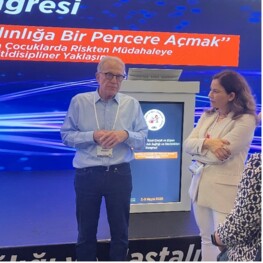
Figure 1: Neslihan İnal, President of TACAP and John Walkup, President of AACAP.

Figure2: View from the Congress venue in Kuşadası, Türkiye.
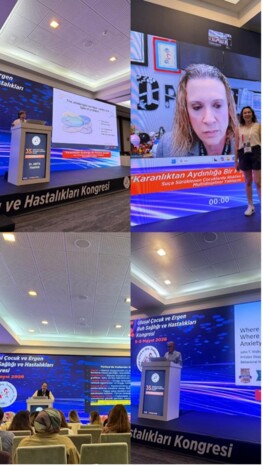
Figure 3: Invited speakers:, Anita Thapar, Melissa P. DelBello and Rasim Somer Diler, John Walkup.
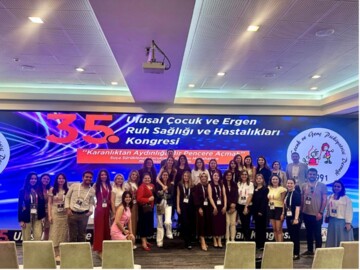
Figure 4: Panel of the Autism Commission on autism-related clinical and intervention practices in Türkiye.
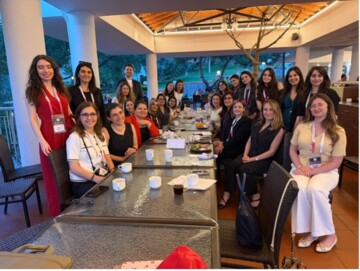
Figure 5: Autism Commission meeting
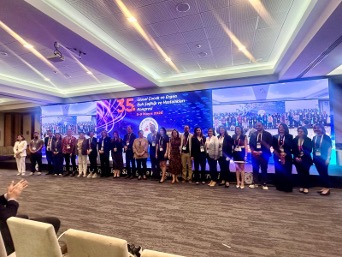
Figure 6. Highlights from the closing ceremony.
Specialized commission meetings of TACAP were also conducted alongside the main programme. For instance, the Autism Commission, convened under the leadership of Nahit Motavalli Mukaddes, reviewed its activities carried out throughout the year, including journal clubs and public awareness initiatives. The Commission addressed the development of clinical services for children and adolescents with autism spectrum disorder, the dissemination of early diagnosis and intervention standards, family support programmes, and the strengthening of national collaborations in neurodevelopmental research, while also establishing a coordinated working plan for the year ahead.
The Commission additionally contributed to several scientific panels throughout the Congress focusing on emerging intervention approaches in autism spectrum disorder. Presentations highlighted intervention programmes currently implemented in Türkiye, including validity and reliability studies aimed at supporting the wider implementation of the culturally adapted, parent-assisted PEERS social skills programme; discussions on artificial intelligence–supported social communication interventions; and findings related to the implementation of an original Parent Education Programme for children with autism spectrum disorder, specifically developed in accordance with the Turkish cultural context, in both the 0–2 and 2–5 year age groups, representing evidence-based early intervention approaches.These presentations underscored the growing importance of developmental neuroscience, digital technologies, structured family-supported interventions, and culturally appropriate approaches within contemporary autism care and research.
Conclusion
The 35th National Child and Adolescent Mental Health and Disorders Congress contributed significantly to the field in Türkiye through its rich scientific programme and collaborative atmosphere. By focusing on children driven into crime, the Congress also highlighted the field’s ongoing commitment to vulnerable youth and emphasized the importance of strengthening international collaboration and representation, particularly through organizations such as IACAPAP.
This article represents the view of its author(s) and does not necessarily represent the view of the IACAPAP's bureau or executive committee.
