

The 1st Kuwait Pediatric Psychiatry Conference: Regional Challenges and a Call for Action
By: Dr. Eiman Alboloushi, Consultant child and adolescent psychiatrist, Addiction Treatment Center, Kuwait and Dr. Dalaal Alablani, resident, Kuwait Board of Psychiatry.
Under the theme of "Regional Challenges and a Call for Action", the Kuwait Psychiatry Association and its partners held the 1st Kuwait Pediatric Psychiatry Conference on February 13 and 14, 2026 at Salwa Al Sabah Hall, Kuwait. The meeting aimed to address the rising burden of neurodevelopmental and behavioral conditions among children and adolescents across Kuwait and the wider Gulf region, with a particular focus on ADHD and autism spectrum disorders. More than 400 participants from Kuwait and other Gulf Cooperation Council countries were in attendance, including psychiatrists, pediatricians, family physicians, psychologists, social workers, nurses, educators, researchers, and medical students.
The conference sought to emphasize early recognition and intervention for child and adolescent mental disorders with autism and ADHD at the forefront. With two days of lectures and workshops, the aim was to equip clinicians and educators with practical, culturally-sensitive tools to for this very practice. Other objectives included highlighting the neurobiological and psychosocial consequences of childhood trauma, with an emphasis on trauma-informed care. The meeting also intended to showcase regional research and innovation, enhance strategies for managing behavioural challenges in inpatient youth units, and promote collaborative, cross-sector models of care.
The scientific program consisted of two full conference days starting with workshops and progressing to lectures from a diverse collective of speakers, covering a wide spectrum topics in pediatric psychiatry.
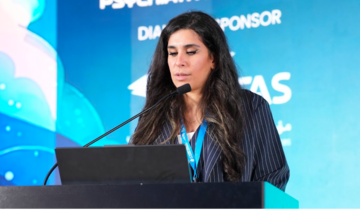
Figure 1: Dr. Noura Alnouri, board-certified psychiatrist and Program Director at the Kuwait Board of Psychiatry giving a presentation titled “First response: detection of early psychosis.”
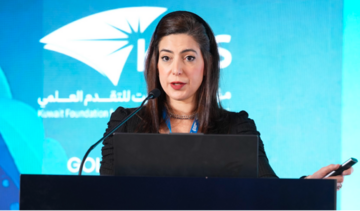
Figure 2: Dr. Hind Sharhan, clinical geneticist, Assistant Professor at Kuwait University, Faculty of Medicine, and adjunct faculty member at Johns Hopkins University, presenting the topic “Genetics in treatment of neurodevelopmental disorders”
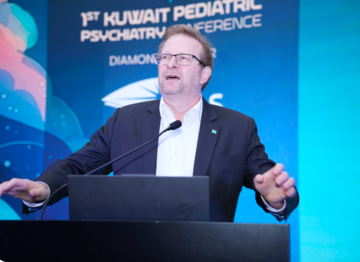
Figure 3: Prof. Thomas G. Schulez, President-Elect of the WPA giving a lecture on “The WPA and its research projects: trust-based partnerships to advance neuroscientific progress and education around the globe.”
On day one, a workshop on non-pharmacological interventions for ADHD in children and adolescents provided a practical yet exciting start to the conference. Later sessions discussed the effects of perinatal mental health on the fetal brain. The topic of trauma in childhood was also addressed in an interactive workshop, complete with case vignettes to practice skills acquired in the session.
Lecturers on the first day delved into adolescent substance misuse, first-episode psychosis, and the psychopharmacology of inappropriate sexual behaviors in autism. Sleep and functional neurological disorders in the pediatric age group were also examined.
Topics centered in the second day of the meeting included medical education, complementary and alternative medicine (CAM), local research on region-specific presentations of autism, and childhood disability. In the field of adolescent psychiatry, eating disorders, use of retraints, and obesity-related mental illness were discussed.
A distinctive feature of the conference was its explicit anchoring in Gulf and regional realities, be it delayed recognition, fragmented services, or stigma around neurodevelopmental disorders. The Chairperson's message framed the meeting as a "collective response" to these challenges, emphasizing early recognition and intervention as tools to prevent addiction, aggression, and long-term social exclusion. The faculty included local and regional experts from Kuwait, Saudi Arabia, the UAE, Qatar, Bahrain, and Oman, alongside international speakers such as Prof. Thomas Schulze, President-Elect of the World Psychiatric Association.
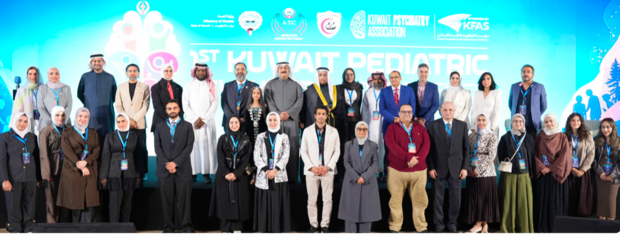
Figure 4: Group photo of conference attendants and speakers, featuring medical educators, senior clinicians, and resident doctors from Kuwait and the wider GCC region.
Seminars on collaborative care, workforce development, and structure of psychiatry residency programs made evident the system-level priorities of the conference. The presentation on World Psychiatric Association (WPA) initiatives in mental health research across the globe further situated the meeting within broader efforts to advance education and public awareness of mental health in low- and middle-income settings.
Beyond individual learning, the conference facilitated networking and collaboration across disciplines and institutions within Kuwait and across the GCC. By foregrounding regional research, Gulf-specific practice models, and context-sensitive interventions, the 1st Kuwait Pediatric Psychiatry Conference marked an important step toward a more coordinated, child-centred mental health agenda in the region.
This article represents the view of its author(s) and does not necessarily represent the view of the IACAPAP's bureau or executive committee.
