

Pakistan’s First International Child & Adolescent Psychiatry Conference (Child PsyCon 2025)
By: Prof Nazish Imran, Dr Maryam Ayub, Dr Sania Mumtaz Tahir, Prof Muhammad Waqar Azeem, Prof Ali Madeeh Hashmi & Prof Afzal Javed
Pakistan hosted its First International Child and Adolescent Psychiatry Conference “Child Psycon” on 28th-29th November 2025 at King Edward Medical University (KEMU), Lahore under the theme “Healthy Minds; Bright Futures”. The conference marked a major national milestone, reflecting the growing recognition of children’s mental health as a public health priority.
The conference was jointly organized by the Child & Family Psychiatry Department of King Edward Medical University and the Pakistan Psychiatric Research Centre / Fountain House, Lahore. The event was co-sponsored by the World Psychiatric Association (WPA) and its Section on Psychiatry in Developing Countries. Additionally, it was also supported by Asian Federation of Psychiatric Associations (AFPA), the SAARC Psychiatric Federation, Pakistan Psychiatric Society and other national associations.
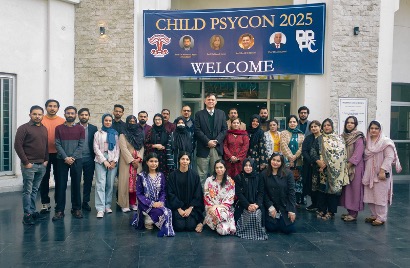
Figure 1: Conference Organizing Committee
Prior to the conference, an extensive series of pre-conference workshops were conducted across the country in the preceding two months. These workshops were held in Lahore, Karachi, Faisalabad, Rawalpindi, Jamshoro, Islamabad, Hyderabad, Quetta and Online, covering key areas including suicide prevention and adolescent emotional well-being, psychological first aid, neuro-developmental assessment, digital addiction, juvenile justice system and substance-use prevention in youth.
The conference also conducted a pre-conference short reel competition, “Aangan”, to engage youth in child and adolescent mental health, which was met by an enthusiastic response from students all over Pakistan, receiving submissions on various aspects of child mental health by students as young as 14 years of age.
Child Psycon 2025 featured distinguished global speakers, including Prof. Sheehan S. Williams – President, SAARC Psychiatric Federation, Prof. Muhammad Waqar Azeem (Sidra Medicine & Weill Cornell Medical College, Qatar), Dr. Zheala Qayyum (Boston Children’s Hospital, Harvard Medical School, USA), Dr. Ahsan Nazeer (Sidra Medicine & Weill Cornell Medical College, Qatar), Dr. Sadia Mohammed (Scotland), Dr. Finza Latif and Dr Durre Shahwar (Qatar), Prof. S M Shah (UAE) and Dr Shahid Ahmed (UK). These speakers joined senior Pakistani experts including Prof. Afzal Javed (Immediate Past-President WPA), Prof. Wajid Ali Akhunzada (President Pakistan Psychiatric Society), Prof. Nazish Imran, Prof. Ali Madeeh Hashmi and many others in delivering high-impact sessions.
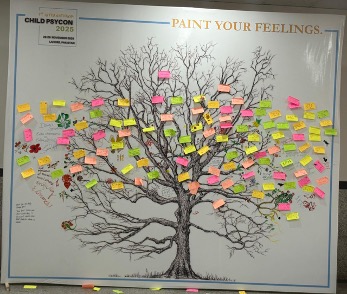
Figure 2: Paint your feeling wall at PsyCon
The main conference sessions commenced on Friday, 28 November 2025, at King Edward Medical University, one of the oldest medical institutions in South Asia with a rich history of over 160 years of medical education. The day opened with a high-level panel discussion entitled “From Womb to Adolescence: A Multidisciplinary View on Perinatal and Child Mental Health” featuring child psychiatrists, psychologists, pediatricians and gynecologists emphasizing early intervention and cross-specialty collaboration. The conference was formally inaugurated under the patronage of the Vice Chancellor, King Edward Medical University, Prof. Mahmood Ayyaz, with Prof. Dr. Khalid Masood Gondal — Vice Chancellor, Fatima Jinnah Medical University, Lahore, and President, College of Physicians and Surgeons Pakistan — as the Chief Guest. The inaugural ceremony was hosted by Prof. Nazish Imran and Prof. Ali Madeeh Hashmi, and was graced by the presence of Guest of Honor Dr. Amjad Saqib, a renowned philanthropist, along with senior psychiatrists from across Pakistan namely Prof. Wajid Ali Akhunzada (President Pakistan Psychiatric Society), Prof. Dr. Mowadat Rana, Prof. Dr. Asad Tameezuddin, Prof. Ayesha Rashid, Prof. Moin Ansari and many more. Prof. Khalida Tareen, Prof. Muhammad Waqar Azeem and Prof. Afzal Javed were honored by Lifetime Achievement Awards for their decades long hard work for child psychiatry in Pakistan.
This was followed by the first scientific session featuring keynote lectures from international speakers. Prof. Afzal Javed, former President WPA, addressed child and adolescent mental health policy, Prof. Muhammad Waqar Azeem highlighted the development of child psychiatry training pathways in Pakistan while Dr. Zheala Qayyum beautifully linked the relationship of fairy tales and mental health. The afternoon featured a panel on “Shaping the Future of Child Psychiatry in Pakistan: Teaching, Training & Service Development”. It featured senior psychiatrists, national child psychiatry supervisors, international program directors and fellows currently pursuing fellowship. They discussed workforce development in the nascent field of child psychiatry in Pakistan, service gaps and future policy directions. First day of Research Poster Competition was also conducted simultaneously which featured original undergraduate and postgraduate research in suicide prevention, autism, artificial intelligence (AI), parenting, trauma, and adolescent well-being. The day concluded with another scientific session focusing on psychiatric emergencies, autism services, and regional service development, followed by a gala dinner hosted by Fountain House Lahore.
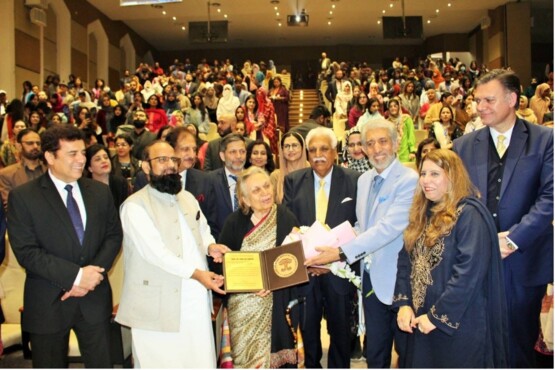
Figure 3: Lifetime Achievement award to Prof. Emeritus Khalida Tareen
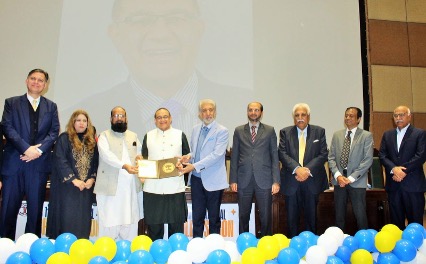
Figure 4: Lifetime Achievement Award for Prof. Dr .Muhammad Waqar Azeem for his contributions towards Child & Adolescent Psychiatry in Pakistan
The second day, 29th November, had parallel sessions on university premises. This allowed broader thematic coverage and free attendance by university students across Pakistan. The morning panel addressed the relationship between climate change and child mental health, trauma, substance use and the aftermath of disasters. An innovative and interactive session about executive dysfunction was conducted by child and adolescent psychiatry fellows and psychologists from Aga Khan University, Karachi.
Morning keynote lectures from international speakers explored antipsychotic prescribing practices in CAMHS (Dr. Durre Shahwar), ADHD in girls (Dr. Sadia Mohammed), and evolving concepts in autism (Dr. Ahsan Nazeer), reflecting evidence-based updates and gender-sensitive perspectives. Lectures were later followed by presentations on Dr. Finza Latif’s experiences of working with children from Gaza, Prof. Afridi highlighted crisis of child brides in Pakistan, Dr. Jovindah focused on mental health issues in Pakistani adolescents and Prof. Mahboob Shah’s research focusing on adolescent suicide.
Late-morning sessions were dedicated to free paper presentations, highlighting research on child abuse, autism, ADHD, adolescent depression, suicide epidemiology, and culturally adapted interventions. Concurrent e-poster sessions further amplified trainee and early-career researcher contributions. The afternoon featured impactful panel discussions on neurodevelopmental disorders across the lifespan, with neurodiverse individuals discussing their lived experience alongside mental health professionals, emotionally safe schools, with students, psychiatrists, teachers and counselors as part of the panel. An innovative session was also conducted on the newly published first national children and adolescent suicide prevention guidelines.
The last panel discussion was aptly on current issues related to AI and technology use in child mental health and featured adolescents, as well as mental health and IT professionals. This was followed by a concluding ceremony whereby awards were distributed among winners of poster and short film competitions. Short films were displayed and received resounding applause. At the end, the host department acknowledged the efforts of collaborators and partners through distribution of mementos.
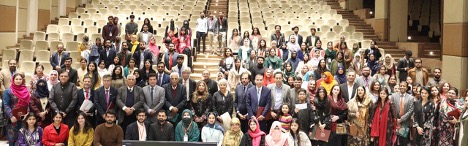
Figure 5: Participants at the concluding session
The First International Child Psycon 2025 successfully met its objectives of advancing culturally relevant knowledge and fostering collaboration through academic institutions while keeping corporate involvement at a minimal level. The organizers hope that this conference and those that follow will ultimately strengthen child and adolescent mental health services in Pakistan. This conference laid a solid platform for a future with innovative and cutting-edge academic programs and significant trainees’ involvement. Thus, first international Child Psycon ultimately reaffirmed a shared commitment of the child and adolescent psychiatrist community of Pakistan and abroad to nurture healthy minds and strive towards bright future of children and adolescents nationwide.
This article represents the view of its author(s) and does not necessarily represent the view of the IACAPAP's bureau or executive committee.
