

HRRS 2025 - Irsee, Germany | 10th Helmut Remschmidt Research Seminar (HRRS 2025)
By: Covadonga Canga-Espina, Samiha Laoures Meddouri, Marta Berni and Müge Mutlu
During the first week of September 2025, the 10th Helmut Remschmidt Research Seminar (HRRS 2025) took place in Irsee, Germany, bringing together a vibrant group of 23 young researchers from across the world. Representing diverse multidisciplinary backgrounds but sharing a common commitment to advancing mental health, they were guided by six mentors: MD. Anna Ordoñez, Prof. Bruno Falissard, Prof. Christina Schwenck, Prof Carmen Schröder, Prof. Maretha de Jonge, and Prof. Petrus de Vries.
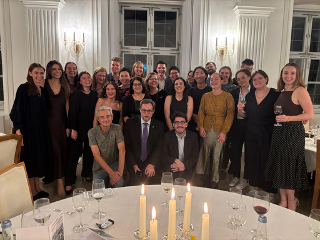
Figure 1: HRRS 2025 – Gala night group picture (Mentors and Mentees)
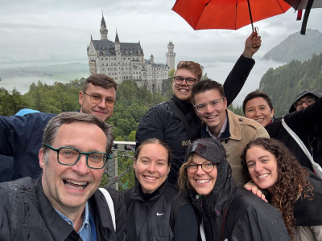
Figure 2: Some of HRRS 2025 mentors and mentees at the Neuschwanstein Castle.
What began with cautious introductions quickly turned into inspiring conversations, collaborative projects, and heartfelt connections. As stated before, participants came from diverse countries and disciplines—psychiatry, psychology, social sciences, public health, and beyond. This diversity became our strength, reminding us that meaningful change in mental health requires multiple perspectives, united by curiosity and openness.
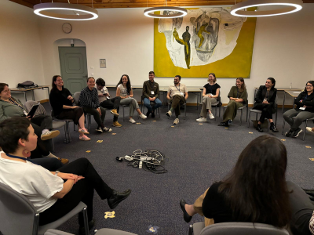
Figure 3: HRRS 2025 – Spending time together (mentors and mentees)
The seminar was not limited to lectures and research sessions. It was about cultivating a mindset: approaching science without prejudice, listening actively, and striving for deep understanding of each other. Mentorship sessions offered valuable insights into methodology, career development, and the challenges of working across cultures. At the same time, informal gatherings—over meals, during walks and excursions, or in shared reflections—reminded us that human connection lies at the heart of all scientific progress. Additionally, the seminar addressed not only academic growth but also the importance of balancing academic and personal life. Dedicated sessions explored how to sustain social well-being alongside scientific productivity. These reflections helped us recognize that life is a whole, and that maintaining this balance is essential for both personal fulfillment and long-term contributions to the field.
By the end of the week, HRRS 2025 felt less like a seminar and more like a community. Together, we explored ways to improve child and adolescent mental health globally, not only through academic excellence but also through empathy, openness and collaboration. After this powerful experience, we left Germany enriched with scientific knowledge, enduring friendships and a renewed commitment to shaping a future where mental health is a global priority.
As we return to our home institutions, we carry with us the voices of our mentors and peer mentees, the lessons of dialogue without borders and the shared hope that through understanding and cooperation, we can move the field of mental health forward—for children, adolescents and societies everywhere. The friendships we built during this seminar are ones that will last—enriching our lives both socially and academically in the years ahead.
It was an immense privilege and a truly memorable occasion to receive a visit from the distinguished Professor Remschmidt. We were deeply honored by his presence and generosity, as he spent valuable time with us and shared personal experiences. Furthermore, he showed exceptional kindness of spirit by attentively listening to our work and the challenges we face. He not only offered keen insights and perceptive remarks but also provided thoughtful and constructive advice – not just about Child and Adolescent Psychiatry, but about life itself. His visit was both an inspiration and a masterclass, leaving a lasting impression on our entire team.
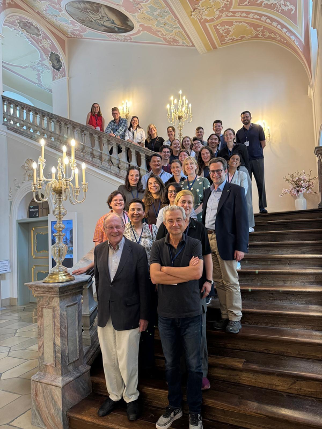
Figure 4: HRRS 2025 – Group picture in gorgeous Kloster Irsee (Mentors and Mentees)
This article represents the view of its author(s) and does not necessarily represent the view of the IACAPAP's bureau or executive committee.
