

How One Community Created a Safe Space for Ukrainian Children and Their Therapists: The Leszno Model
By: Ewa Dobiala, MD, Leszno, Poland, Founder & CEO, WAPP Support Project Association, Poland, Medical Director, Mental Health Center for Children, Adolescent and Adults, Leszno, Poland, Executive Board Member, World Association for Positive and Transcultural Psychotherapy
I found out what happened on the night of February 24, 2022, from my younger child. On Friday morning, on her way to school, she was looking past me. Later, she admitted that she had spent the whole night on Messenger talking to a friend from Kyiv who was alone in a bombed apartment. The war had begun. At that moment, I understood that children are the first to react, and that when parents are themselves caught in the epicenter of war and collective trauma, they can rarely be the emotionally present adult a child needs.
It became imperative to immediately create a stabilizing space for Ukrainian psychotherapists, to support those that support others. We created the first online group on March 1, 2022, with several hundred Ukrainian specialists attending. They connected from basements, from cars stuck in traffic jams at the border, and from apartments where alarms could be heard constantly, trying to keep themselves and their loved ones alive. At the same time, the first group of Ukrainian children began to arrive in Leszno, Poland. Some did not speak for several days, others woke up screaming at night. We saw what childhood trauma looks like “right after” a war: trembling hands, hypersensitivity to the slightest sound, freezing, and nightmares. Their mothers were often on the verge of exhaustion after dozens, and sometimes hundreds, of hours of travel. We saw that it was not enough to “take in refugees.” We had to rebuild their world for them, even if only at a small scale of one city.
This is how, in April 2022, the Ukrainian House in Leszno was established, where therapists from bombed Ukraine could work in their native language, in their cultural code, in a place where no one asked them if they already had a job or how long they would stay. Classic one-off crisis interventions proved ineffective. Mothers were afraid to bring their children for consultations. The children needed a space where they could eat peacefully, play, and catch the rhythm of a stable adult's breathing. We then understood something that later became the axis of the Leszno Model: a child in trauma does not have the resources to adapt to the system; it is the system that needs to be reorganized to adapt to the child's neurophysiological capabilities.
At the same time, in the same city, Polish children were experiencing something completely different. They did not hear explosions, they did not flee across the border at night. But every day, their school classes were joined by peers from Ukraine, with stories that the adults around them did not have the strength to listen to. These stories quickly found their way into the children's conversations. Children in Poland began to carry within themselves stories of war that were still silenced in many of their homes.
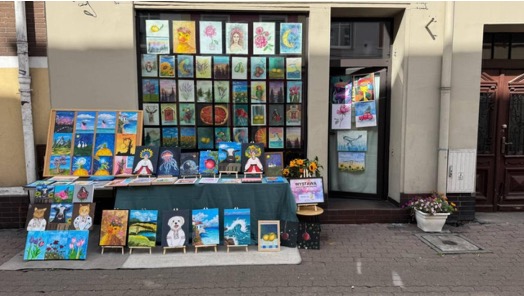
Figure 1: First International Conference in time of war in Leszno (2022), gathering 430 specialists — with around 350 from Ukraine — to create a shared space of support, reflection, and humanity during the ongoing war.
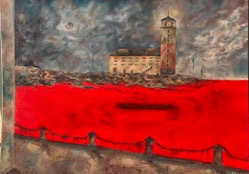
Figure 2: Joanna Dobiała, 2023 — a young artist’s visual interpretation of the emotional landscapes shaped by the resonance of war imagery and transgenerational experiences in Poland
In our offices, we heard sentences like, “Mom says it's not happening here, but I'm still scared.” In the background were family histories, grandparents traumatized by World War II, parents raised in the shadow of untold stories. Transgenerational trauma was reactivated. There are two interplaying dynamics: fresh war trauma in Ukrainian children and transgenerational trauma in Polish children. It came together in one place, in schools, daycare centers, and offices. And that is why the Leszno Model from the very beginning concerned two populations at once. The structure that was created was, in fact, a bridge between two systems. On the one hand, there was the Ukrainian House: a place where children could experience a safe and stable environment; on the other, there was the Leszno Mental Health Center and Day Care Unit, where those who already needed psychiatric treatment or more intensive care were sent. Polish and Ukrainian children participated in the same therapeutic groups and used the same system.
At some point, it became clear that the entire system was supported by people who also had their limits: Ukrainian and Polish therapists and teachers. Many of them worked to the limits of their capabilities. This experience gave rise to the Leszno Declaration. Its message is very simple: it is impossible to protect children in times of war without protecting those who keep them alive.
So regular support groups were needed, a space to express helplessness, anger, and fatigue without fear that it was “inappropriate.” At some point, it became clear that this burden had to be shared more widely. This is how the European Room for Listening was created in June 2023: online meetings where Ukrainian therapists met with colleagues from various European countries. No hierarchy, no colonization, just attentive, transcultural presence. The next step was therapeutic retreats: week-long trips, first in Leszno, then also in France and Denmark. These were not conferences or training sessions, but time for sleep without alarms, for silence, for somatic-sensory regulation.
Perhaps it is because Leszno is only a small town, but the experiences that took place here are repeatable in a thousand other places. The war in Ukraine has revealed something that has a wider scope: mental health systems are not prepared for mass childhood trauma or for the fact that a country's transgenerational history resonates with the current war abroad.
From the perspective of these three and a half years, I would say that the Leszno Model carries three simple but difficult lessons. First, children cannot be more stable than the adults who guide them. If we do not take care of therapists and teachers, all “children's” programs will have a very fragile foundation. Second, the system needs to see the child not large programs written from behind a desk. Thirdly: without understanding transgenerational trauma (Polish, Ukrainian, or any other), we will continue to be surprised by the intensity and severity of the reactions of children.
Children do not choose the wars or borders they are placed in. They do not choose the stories that resonate with their grandparents' past. It is we, as adults, psychiatrists, therapists, systems, communities, who choose how to respond to this.
This article represents the view of its author(s) and does not necessarily represent the view of the IACAPAP's bureau or executive committee.
