

From Frameworks to Practice: Key Insights on Childhood Trauma from the First International Conference on Psychosocial Support and Mental Health in Disaster Management
By: Gulnar Mishra, Manushi Thakur, Dr. Dinakaran D., Dr. Subhasis Bhadra, Department of Psychosocial Support in Disaster Management, National Institute of Mental Health and Neuro Sciences (NIMHANS), India
The first International Conference on Psychosocial Support and Mental Health Services in Disaster Management, organized by the Department of Psychosocial Support in Disaster Management, National Institute of Mental Health and Neurosciences (NIMHANS), took place from 10th October to 12th October 2025 and saw widespread participation. The theme of the conference was “Beyond the Rubble: Building Resilience through Psychosocial Support.”
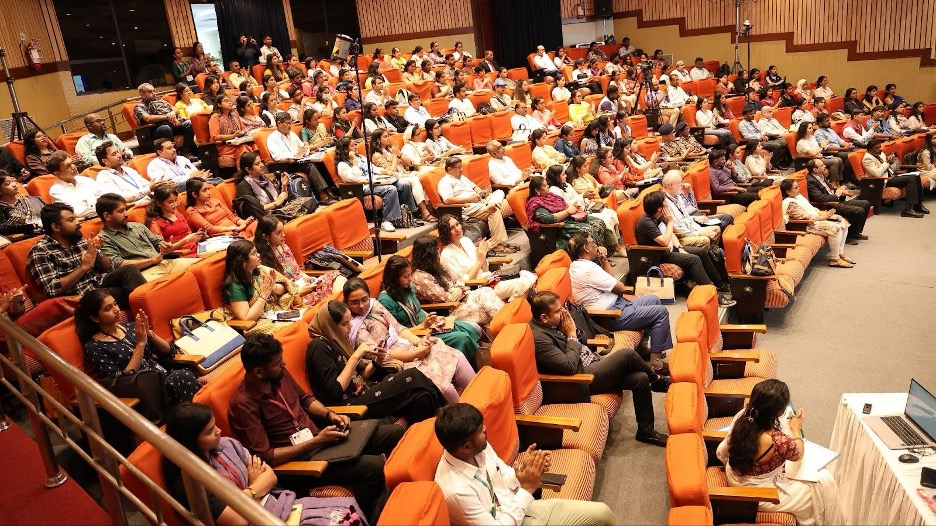
Figure 1: The three-day conference saw immense participation.
On 11th October, among the many invigorating sessions, a symposium titled “Understanding and Addressing Childhood Trauma: From Frameworks to Practice” was chaired by Dr K. John Vijay Sagar, Professor & Head of the Department of Child & Adolescent Psychiatry. The symposium featured three talks by:
- Dr Anamika Sahu, Assistant Professor of Clinical Psychology - “Conceptualisation of Trauma in Children.”
- Dr Thomas M Kishore, Professor of Clinical Psychology - “Scope and Need for Assessment.”
- Dr Roopesh BN, Additional Professor of Clinical Psychology - “Trauma intervention for Children - Practical Approaches.”
The following report summarizes the key insights and exchange of information from this session.
Childhood Trauma in India: Bridging Neuroscience and Contextual Realities
Childhood trauma is a profound and pervasive challenge that affects countless children across India. According to the National Crimes Records Bureau, a child is sexually abused approximately every fifteen minutes – a figure that reflects only a fraction of the reality, given the likelihood of underreporting. Trauma does not affect all children equally. Those raised in poverty, in adverse socio-economic environments, or within unstable family contexts face heightened vulnerability. Yet trauma is not limited to sexual abuse; it encompasses neglect, exposure to domestic or community violence, disasters, loss, and chronic adversity. Its impact is deeply shaped by the child’s age, developmental stage, and the presence or absence of supportive systems.
Trauma’s effects are varied and complex. In young children, the most visible signs often involve core regulatory and attachment difficulties. Infants and toddlers may struggle to bond with caregivers, exhibit excessive separation anxiety, or experience persistent disturbances in eating and sleeping. Their distress may manifest as irritability, clinginess, or withdrawal, which can be misinterpreted as behavioral problems rather than signals of trauma. As children grow into the school years, their responses shift. School-age children may externalize their distress through aggression, defiance, or hyperactivity, or they may withdraw socially and avoid interactions. Nightmares, school refusal, frequent re-enactments of traumatic events, and difficulties with concentration are common, alongside internal experiences of anxiety, guilt, or depression. Adolescents, navigating the challenging terrain of identity and autonomy, often present with even more complex reactions. Flashbacks and intrusive thoughts may dominate, while risk-taking, self-harm, or substance use can become coping mechanisms. Intense anger, shame, or persistent suicidal ideation are also frequent, reflecting the profound psychological imprint of unresolved trauma.
The repercussions of childhood trauma extend far into adulthood. Adults who experienced childhood trauma often display insecure attachment patterns, which complicate their ability to form trusting, intimate relationships. Memory difficulties, including intrusive recollections or memory flooding, can interfere with professional functioning and daily life. Re-victimization is also a recognized risk; some adults unconsciously find themselves in situations that echo earlier traumatic experiences. Even when disclosure is difficult or impossible, trauma leaves clear on behavior, emotional responses, and interpersonal functioning. Across all life stages, chronic trauma exposure increases the likelihood of anxiety, depression, post-traumatic stress disorder, and enduring difficulties in forming healthy relationships.
Neurobiological research sheds light on why these effects can be so profound. Exposure to early adversity can alter brain development, including reductions in hippocampal volume, less efficient prefrontal cortex processing, and hyperactivity in the amygdala, which regulates fear and emotion. These changes compromise executive functions, emotional regulation, and the capacity to respond adaptively to stress. Epigenetic mechanisms may further modify gene expression, predisposing individuals to psychiatric and physical health conditions and influencing attachment and relational capacities.
Studies in India underscore the magnitude of the challenge. Research at tertiary care centers shows that children who have experienced abuse frequently present with a combination of internalizing and externalizing disorders. Anxiety disorders affect nearly 38% of these children, depressive disorders around 28%, while dissociative disorders and disruptive behaviors are also commonly observed. Emotional maltreatment is widespread; surveys indicate that approximately 80% of children report experiencing at least one form of emotional abuse in their lifetime. Trauma manifests not only as psychological symptoms but also as disruptions in concentration, academic performance, sleep, appetite, and social functioning. Children in institutional care or child care homes often show altered behavior and impaired functioning across cognitive, emotional, and social domains.
Understanding trauma requires a holistic lens. Its impact is not confined to individual psychopathology; trauma interacts with social, familial, and environmental factors. Children exposed to trauma develop adaptations that reflect heightened perceptual threat sensitivity, emotional reactivity, attention biases, and poor regulation of emotions. While these responses may have been adaptive in dangerous environments, they often interfere with functioning in safer contexts, contributing to internalizing and externalizing disorders. Conversely, social support, particularly from caregivers, serves as a powerful protective factor, buffering the negative effects of traumatic exposure. Effective interventions, therefore, must go beyond the child alone to consider family dynamics, community context, and broader societal structures.
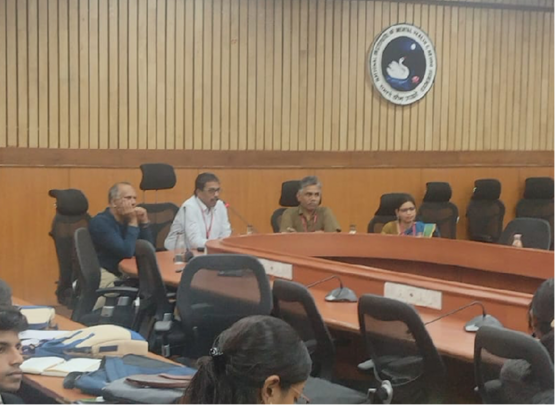
Figure 2: The Speakers and the Chair of the Symposium.

Figure 3: A peek into the participant engagement.
A Call for Trauma-Informed Management
Trauma-informed care emphasizes careful and nuanced assessment. Clinicians are encouraged to document the nature, frequency, complexity, and duration of traumatic experiences, as well as the child’s psychiatric symptoms, triggers, coping mechanisms, and resilience factors. Assessment should consider the developmental stage, cultural context, family responses, and the broader environment, recognizing that trauma’s impact is shaped by social and relational dynamics. The “4 Rs” framework: Realize, Recognize, Respond, and prevent Re-traumatization – provides guiding principles for evaluation, ensuring that children are approached with sensitivity, safety, and competence. Multi-method and multi-source assessments help identify both vulnerabilities and strengths, laying the foundation for targeted, individualized intervention.
Therapeutic intervention unfolds across multiple phases, each building on the previous. The first step is establishing a safe, supportive, and trusting relationship with the child. Trauma often erodes the child’s capacity to trust, particularly when caregivers or other adults have failed to protect them. Active listening, validation, empathy, and creating a consistent, safe space are essential in this stage. Once rapport is established, therapeutic work can progress to gently exploring the trauma and its effects. This phase focuses on the child’s subjective experience, including emotional, cognitive, behavioral, and relational dimensions. Feelings may be contradictory, particularly when the perpetrator was also a caregiver. Recognizing and validating mixed emotions is crucial. Behaviors such as withdrawal, self-harm, or risk-taking often reflect attempts to regain control or manage distress, not misbehavior. The therapeutic approach must also involve caregivers, equipping them to respond supportively, avoid reinforcing shame, and rebuild the child’s sense of safety.
The next phase emphasizes stabilization, safety, and the integration of traumatic memories. Practical strategies—such as grounding techniques, relaxation exercises, and structured routines—help children regain a sense of control and predictability. Creative modalities, including play, art, and movement, enable children to process and express trauma non-verbally. Evidence-based approaches, including Trauma-Focused Cognitive Behavioral Therapy (TF-CBT), Eye Movement Desensitization and Reprocessing (EMDR), and structured school- or group-based interventions, guide reintegration of fragmented experiences, allowing children to shift from “it’s happening” to “it happened.” Therapy in this phase encourages reflection, decision-making, and a gradual rebuilding of confidence and autonomy.
Finally, therapy focuses on future orientation and empowerment. The goal is to move children from a sense of victimhood to survivorship, enhancing self-esteem, emotional regulation, and resilience. Education on safety, boundaries, and healthy relationships provides children with practical tools to navigate the world confidently. Encouraging engagement with supportive peers, family, and community helps consolidate recovery and fosters long-term resilience. Throughout this process, trauma-informed practice emphasizes developmentally appropriate, culturally sensitive, and empathetic care. Interventions must always respect the child’s pace, avoid retraumatization, and leverage existing strengths. Beyond individual therapy, addressing childhood trauma requires attention to socio-economic factors, disaster-related risks, and systemic inequities that compound adversity. Recovery is not simply clinical. It is relational, environmental, and societal.

Figure 4: A huge participation was witnessed in the three day conference.
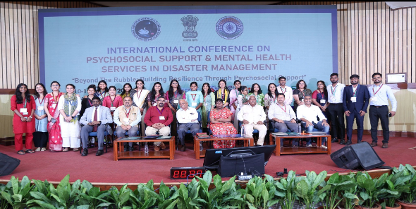
Figure 5: Department of Psychosocial Support in Disaster Management - The Organising Committee
Concluding Remarks
Childhood trauma leaves an enduring mark, shaping relationships, behavior, cognition, and emotional life. But with trauma-informed assessment, evidence-based therapy, caregiver support, and community engagement, children can move toward healing. By recognizing the pervasive effects of trauma, integrating multi-level interventions, and empowering children through empathy, structure, and safety, we can help transform trauma into resilience, enabling children not only to survive but to thrive.
This article represents the view of its author(s) and does not necessarily represent the view of the IACAPAP's bureau or executive committee.
