

Creating Adolescent Friendly Psychiatric Spaces in a Public Hospital in Cape Town: Possibilities in LMIC Settings
By: Anusha Lachman, Child & Adolescent Psychiatrist, Tygerberg Hospital, Stellenbosch University, Cape Town, South Africa.
Admission to a mental health facility anywhere in the world can be a traumatic experience for adolescents, appreciating that for most younger adolescents this may be the first separation from home and the safety of their caregivers. In low resourced setting, this experience may be exacerbated by settings that are often not child/youth friendly, or may require admissions into emergency units in medically high risk spaces. In South Africa, facilities in public hospitals that cater for children and adolescents with mental illness are rare, with some areas of the country having no safe or designated facilities at all or requiring an admission into shared adult facilities. This can be both unpredictable and scary for both the adolescent and their caregivers.
In the Western Cape Province of South Africa, access to mental health services remains largely inadequate, with approximately 95% of adolescents in rural areas and 65% of adolescents in urban areas unable to access these services. The Adolescent Psychiatry Unit at Tygerberg Hospital is Western Cape’s only tertiary assessment unit for adolescents (13-17 years old) with complex neuropsychiatric and severe mental illnesses in the context of comorbid medical conditions, infectious diseases (HIV/TB) and with significant levels of psychosocial adversity including exposure to violence, poverty and substance use disorders.
Despite the existence of the unit, barriers to accessing care include stigma, discrimination against children with mental illness, and limited community awareness of the potential for early intervention. In settings where adolescents have limited psychosocial support outside of medical settings, and often return to adverse circumstances, it is imperative that the experience of receiving mental health care prioritizes empathy, safety and support.
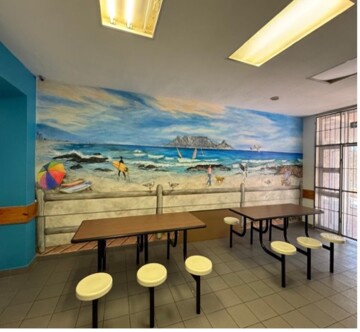
Figure 1: Examples from the indoor physical environment
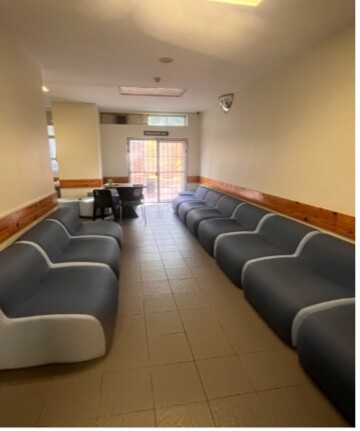
Figure 2: Examples from the indoor physical environment
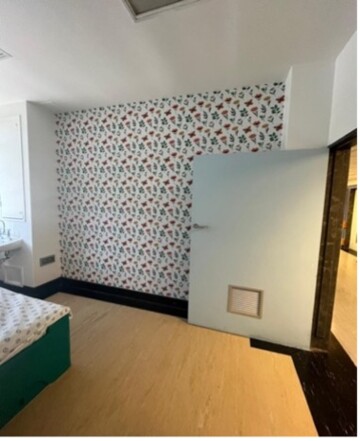
Figure 3: Examples from the indoor physical environment
While the unit plays a critical role in the provincial health system, it did require significant upgrades and renovations to ensure an adolescent-friendly environment that would support admissions. The challenge always is that of funding, opportunities that are limited by entrenched systems, and prioritizing other medical facility infrastructural needs especially in a poorly resourced public sector setting.
A shared vision between the child psychiatry team and the Tygerberg Hospital Childrens’ Trust was to reimagine the existing space in a way that would encourage healing through environmental changes alongside psychiatric interventions. Simple ideas like creating green spaces and a garden in limited outdoor courtyards, use of subtle colors/paintings over walls and furnishings, as well as utilizing ward space to provide a quiet calming space with softer furnishings where admitted patients could read, socialise and interact was crucial.
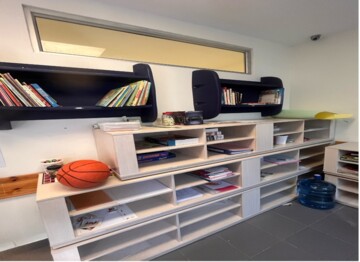
Figure 4: Examples from the indoor physical environment
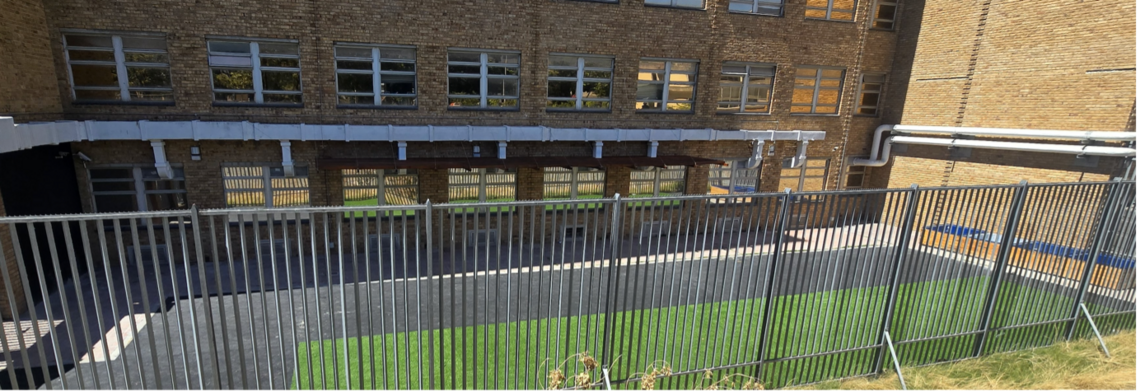
Figure 5: Examples from the outdoor physical environment
Allowing the ward to operate in a way that supported holistic healing required us to remind ourselves that recovery is complex and multifaceted, and that while we continue to advocate for safer environments and homes for children to return to – we also needed to facilitate an admission experience that was empathic, kind and environmentally supportive. We heal from an environment that recognizes we are more than just physical bodies with an illness. Our minds and emotional needs also require support and even in the most restrictive of settings, there may lie opportunities to transform our ideas of the places in which mental health care is traditionally delivered.
With no major structural changes, and largely aesthetic improvements that are still ongoing, this project highlights what is possible in a limited resource public sector setting – with just a little bit of inspiration and creative thinking.
Acknowledgements
A Stavros Niarchos Foundation (SNF) grant made as part of their Global Health Initiative (GHI) aimed to help upgrade the Adolescent Psychiatry Unit by transforming its secure outdoor space into a garden and recreation area, supplying new furnishings, improving the aesthetics of the facilities, and adding equipment for activities like sports, crafts, crafts, and education. This was supported by the Tygerberg Children’s Hospital Trust in Cape Town South Africa.
This article represents the view of its author(s) and does not necessarily represent the view of the IACAPAP's bureau or executive committee.
