

Connection, Meaning, and the Future of Child Mental Health: In Conversation with Professor Daniel Fung
By: Dr Lakshmi Sravanti, Deputy Bulletin Editor of IACAPAP, Assistant Professor in the Department of Child and Adolescent Psychiatry, National Institute of Mental Health and Neurosciences (NIMHANS)
In a warm and reflective conversation with Professor Yewande Oshodi, Secretary General of IACAPAP, Professor Daniel Fung, past president of the International Association for Child and Adolescent Psychiatry and Allied Professions (IACAPAP) from 2018 to 2022, shared personal reflections on leadership, psychiatry, and the evolving future of child mental health.
What emerged was not merely the story of a passionate psychiatrist, but of someone deeply shaped by curiosity, humility, relationships, and a lifelong commitment to young people and families across the world.
To watch the full interview, visit: https://youtu.be/8_V4s6ATH-Y
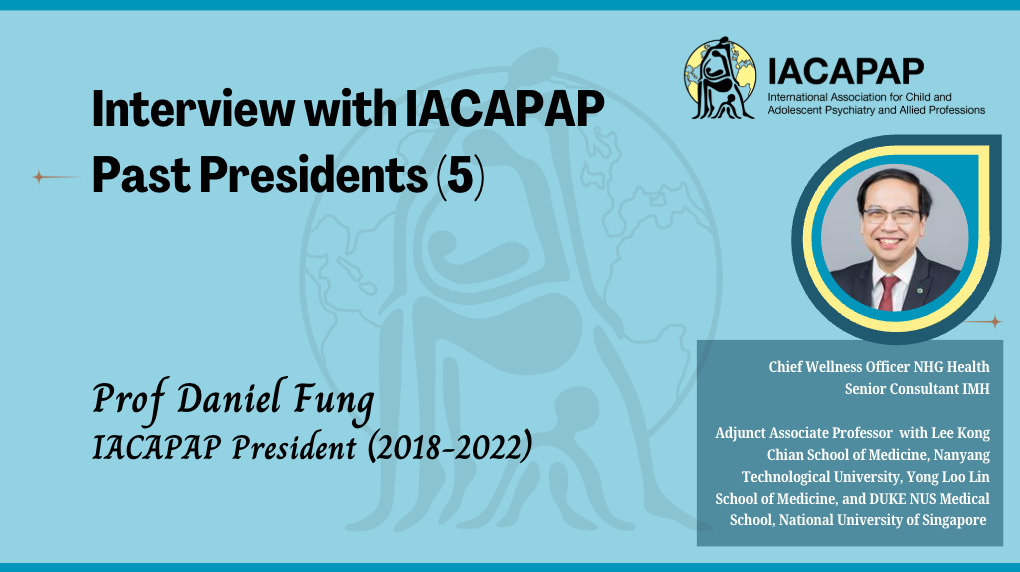
Figure 1: Cover – Interview with IACAPAP Past Presidents (5)
The Seeds of Child Psychiatry
Professor Fung reflects on his journey into child and adolescent psychiatry with warmth and candour, tracing its beginnings back to the late 1980s and early 1990s.
“I became a child psychiatrist really… the seed was sown way back in the 90s.”
A turning point came through an unexpected influence of the father of his girlfriend, now wife, who was a child psychiatrist. Their conversations gradually drew him toward the field, and he recalls being given a copy of Psychological Medicine, a book he still keeps with him today.
He also recalls the influence of others along the way, including John White – “an evangelist and also a psychiatrist” – whose perspectives further broadened his understanding of psychiatry. Over time, these experiences evolved into a career that would span clinical work, service development, leadership, and global child mental health advocacy.
Discovering IACAPAP and a Global Vision
Professor Fung traces his first major encounter with IACAPAP to the 2006 Congress, an experience that proved transformative both professionally and personally.
He recalls being “bowled over” by the scale and diversity of the meeting, which brought together more than 1,400 delegates from approximately 165 countries. What struck him most was not only the breadth of scientific discussions, but also the diversity of voices represented. For him, one of the defining strengths of the conference was the inclusion of perspectives beyond professionals alone – including parents, carers, and families.
The experience marked the beginning of a deeper involvement with IACAPAP. As he continued attending meetings and interacting with senior colleagues across the world, he developed a broader understanding not only of clinical child psychiatry, but also of advocacy and global leadership in mental health.
Following a period of training in Toronto and later returning to Singapore to lead what he describes as a “small tiny department,” these international relationships became especially meaningful that helped shape his understanding of what it meant to advocate for children and families at both local and global levels.
Leadership During a Changing World
Professor Fung’s presidency coincided with one of the most disruptive global periods in recent history – the COVID-19 pandemic. Although the interview touches only briefly on this period, it becomes evident that adaptability and innovation became central themes of his leadership based on the challenges faced globally in that season.
He repeatedly highlights the importance of connection, collaboration, and technological transformation in child mental health. His interest in digital mental health emerges naturally throughout the conversation, reflecting both pragmatism and vision.
“Digital mental health, I think, will be quite critical in this new generation…”
For Professor Fung, technology is not merely a tool, but a means of extending access, education, and support to children and families who might otherwise remain unreached. This perspective aligns closely with IACAPAP’s broader evolution toward globally accessible educational initiatives and international collaboration.
Technology, Mental Health, and Spirituality
One of the most thought-provoking dimensions of the conversation was Professor Fung’s reflection on the future of child and adolescent mental health in an increasingly technological and fragmented world. While acknowledging the transformative possibilities of digital mental health, he also raised important cautions about “overuse of technology and over-professionalization of services.”
At the same time, he encouraged a more balanced and nuanced understanding of technology itself. Reflecting on social media debates, he observed: “Social media is a moral panic. It is neither good nor bad.” For Professor Fung, the more important question is: “How do we embrace technology in a proper way?”
He also reflected on the deeper emotional and existential struggles emerging in modern society, noting that rising mental health concerns cannot be understood only through biological or psychological frameworks.
As he says …“There is a need for us to consider the domain of spirituality beyond the bio-psycho-social. Spirituality is the fourth dimension.”
Returning to Connection and Meaning
Professor Fung repeatedly returned to the importance of relationships, meaning, and family connections. Reflecting on contemporary mental health challenges, he observed: “The rising suicide rates and the mental health rates are a reflection of the lack of foundation in what’s meaningful and what’s purposeful in life.”
For younger psychiatrists entering the field, his message was both simple and profound: “Focus on connection… how do you connect with the people that you are looking after?”
As the interview drew to a close, Professor Fung returned to what he described as the most fundamental unit of human connection – the family. “We all come as part of a social system and that’s called our family.”
And in his closing words: “Go back to your family, spend time with your family, and love your family… because they are your basic unit for connections.”
The interview ultimately leaves the audience with a deeply human message: amid rapid technological change and evolving psychiatric systems, relationships, meaning, spirituality, and family remain central to mental wellbeing.
Watch the Full Interview
Professor Daniel Fung’s reflections on child mental health, leadership, and technology in a changing world offer valuable insights for clinicians, trainees, and future leaders alike. To experience the complete conversation and hear his reflections in full, watch the interview here:
👉 Access the full interview here: https://youtu.be/8_V4s6ATH-Y
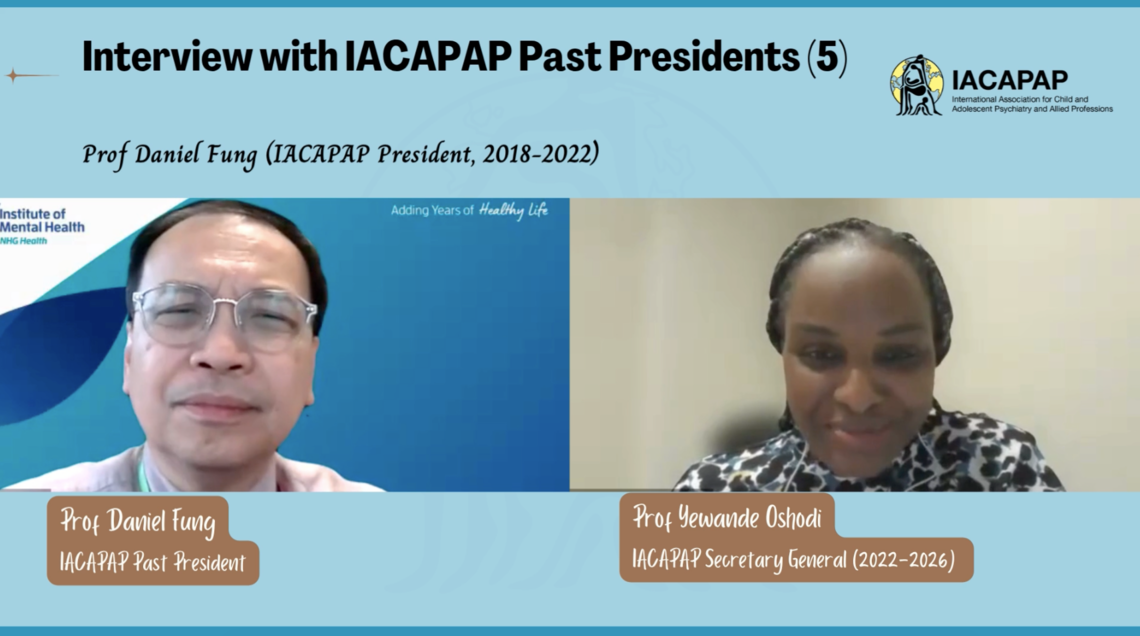
Figure 2: Prof Yewande Oshodi in conversation with Prof Daniel Fung
