

Community Service and National Scientific Meeting of the Indonesian Association for Child and Adolescent Mental Health (Perkeswari)
By: Suzy Yusna Dewi1,2,3, IGA Indah Ardani 3,4, Lina Budiyanti3,5, Fransiska Kaligis3,6
1Soeharto Heerdjan Hospital, Jakarta, Indonesia.
2Universitas Pembangunan Nasional Veteran Faculty of Medicine, Jakarta, Indonesia.
3Perkeswari Indonesia (Indonesian Association for Child and Adolescent Mental Health and Allied Professions).
4Department of Psychiatry, Faculty of Medicine Udayana University, Ngoerah Hospital, Udayana Hospital, Bali, Indonesia.
5 West Java Provincial Mental Hospital, Bandung, West Java, Indonesia.
6Department of Psychiatry Faculty of Medicine Universitas Indonesia, Cipto Mangunkusumo Hospital, Jakarta, Indonesia.
The Indonesian Association for Child and Adolescent Mental Health and Allied Professions (Perkeswari), in collaboration with the Child and Adolescent Section of the Indonesian Psychiatric Association (PDSKJI), carried out a community service at National Junior High School 4, Nusa Penida Island, on Saturday, December 7, 2024. The activity targeted students in grades 7, 8, and 9 as a promotive and preventive effort to maintain adolescent mental health, particularly in relation to bullying issues in the school environment.
Consisting of 30 child and adolescent psychiatrists and 10 residents from the psychiatry residency program of the Faculty of Medicine, Udayana University, the team was distributed across eight selected classrooms to provide interactive educational sessions on bullying. The materials presented included an introduction to bullying, signs and types of bullying, psychological impacts, reporting mechanisms within the school environment, and prevention strategies that can be implemented by students, teachers, and the school management. To maintain students’ enthusiasm, the educational sessions were combined with ice-breaking games that encouraged active participation and created an enjoyable learning atmosphere.
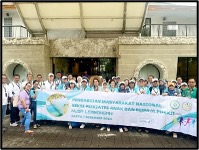
Figure 1: Participants from Perkeswari committee and Faculty of Medicine, Udayana University and PDSKJI Bali joined the community service to Nusa Lembongan, Bali.
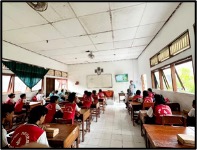
Figure 2: Education to junior high school students regarding mental health and bullying prevention.
This community service represented the commitment of the Child and Adolescent Psychiatry Division of Faculty of Medicine, Udayana University and PDSKJI to strengthening promotive and preventive mental health services for adolescents.
The school warmly welcomed the activity and expressed hope that similar programs could be carried out sustainably. Collaboration between the education sector and healthcare professionals within health professional organizations would be beneficial in helping to create a school environment that is safe, psychologically healthy and conducive to students’ growth and development.
Besides organizing community services in various areas in Indonesia, Perkeswari also holds an annual scientific forum for knowledge exchange and interprofessional collaboration in the field of child and adolescent mental health, namely the National Scientific Meeting of Perkeswari (PIN Perkeswari). In 2025, PIN Perkeswari raised the theme “Navigating Children and Adolescents with Neurodiversity and Giftedness in This Rapidly Changing World” to address the challenges and support strategies for children and adolescents with neurodiversity and giftedness amid rapid social, technological, and educational changes.
Topics discussed included concepts and approaches to neurodiversity in children and adolescents; identification and assessment of gifted children and adolescents; psychological comorbidities in neurodivergent populations; strength-based and individualized intervention approaches; the roles of families, schools, and communities in supporting child development; as well as challenges in delivering child and adolescent mental health services in the era of digitalization and globalization.
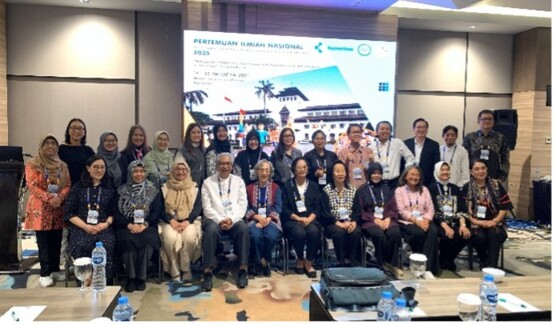
Figure 3: Perkeswari committee at the National Scientific Meeting of Perkeswari (PIN Perkeswari) 2025.
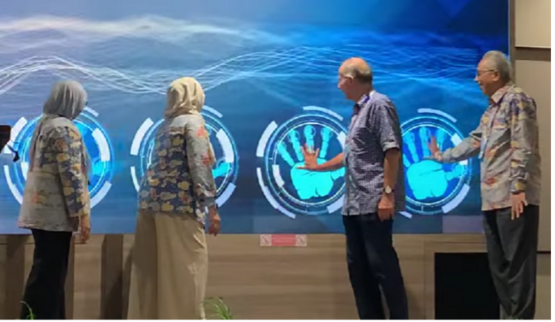
Figure 4: Opening ceremony of the Perkeswari scientific meeting 2025.
The meeting was conducted over two days (October 17-18, 2025) and consisted of plenary symposium sessions, symposia and workshops. The plenary symposium featured keynote speakers addressing strategic and current issues related to neurodiversity and giftedness. One of the keynote speakers was Prof. Jan Buitelaar, a Professor of Psychiatry and Child and Adolescent Psychiatry in Radboud University Medical Centre.
The symposia consisted of thematic sessions focusing on the clinical, educational, and social aspects. The workshops were designed interactively to enhance participants’ practical skills in assessment and intervention.
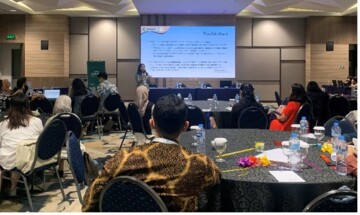
Figure 5: Psychiatrist, pediatricians, psychologists, other specialist doctors, and general medical doctors, as well as teachers, therapists, and lay persons participated in the scientific meeting.
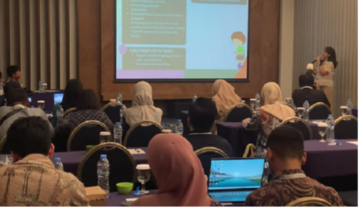
Figure 6: Psychiatrist, pediatricians, psychologists, other specialist doctors, and general medical doctors, as well as teachers, therapists, and lay persons participated in the scientific meeting.
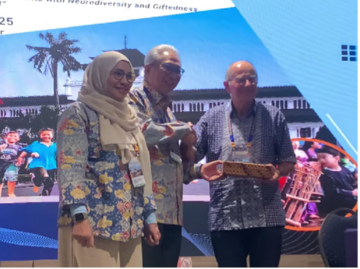
Figure 7: Dr. Suzy Yusnadewi and Dr. Dwidjo Saputro on behalf of Perkeswari deliverd a sign of appreciation to the keynote speaker, Prof. Jan Buitelaar.
Participants came from various backgrounds, including psychiatrists, child and adolescent psychiatrists, psychologists, paediatricians, other professionals related to child’s mental health, teachers, therapists, and the general public with an interest in child and adolescent mental health issues. This diversity of participants supported comprehensive and collaborative discussions.
Within the topic of neurodiversity and giftedness, the 2025 PIN Perkeswari aimed to facilitate discussions regarding clinical and psychosocial challenges in supporting children and adolescents with neurodiversity and giftedness; raise the importance of adopting inclusive, adaptive, and strength-based perspectives in child and adolescent mental health services; strengthen interdisciplinary professional networks; and raise public awareness of child and adolescent mental health issues.
This article represents the view of its author(s) and does not necessarily represent the view of the IACAPAP's bureau or executive committee.
