

Building Resilience in Times of Crisis: The 17th Annual Conference of the Bangladesh Association for Child and Adolescent Psychiatry (BACAMH)
By: Dr. Mahabuba Rahman, MD (Child and Adolescent Psychiatry), CounsellorBACAMH
The Bangladesh Association for Child and Adolescent Mental Health (BACAMH) successfully organized its 17th Annual Conference on 12th of January 2026 at the Bangladesh Military Museum, Dhaka. The one-day conference was held under the theme “Building Resilient Futures for Children and Adolescents: Mental Health Intervention in Crisis Situations,” reflecting the growing need for effective, contextually relevant child and adolescent mental health responses in situations of crisis, adversity, and social disruption.
Approximately 350 participants attended the conference representing multiple disciplines, including psychiatrists, pediatricians, psychologists, and other allied professionals.
The conference opened with a unique and inclusive inaugural ceremony, featuring a dance performance by children with special needs, symbolizing resilience, inclusion, and the creative potential of children when supported within a nurturing environment.
The scientific programme was comprised of two plenary sessions, four segments of oral presentations, and a skills-based workshop, bringing together national and international expertise.
A dedicated segment featured international speakers, which further broadened the global and regional perspective of the conference. This online session addressed conceptual frameworks in psychiatry, community-based psychosocial interventions for children affected by displacement and humanitarian crises, and the importance of regional collaboration and advocacy for strengthening child and adolescent mental health services across South Asia.
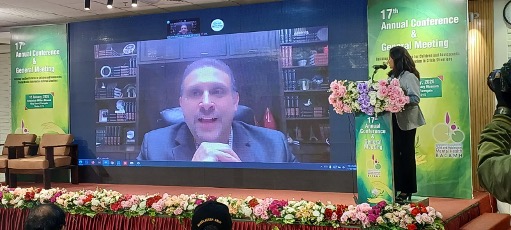
Figure 1: Online keynote address by Dr. Hesham Hamoda (IACAPAP) at the 17th Annual Conference of BACAMH
The keynote speech was delivered online by Dr. Hesham Hamoda, Director of Communications of the International Association for Child and Adolescent Psychiatry and Allied Professions (IACAPAP). Drawing on his involvement in the World Health Organization’s Eastern Mediterranean School Mental Health Programme (WHO EM-SMHP), he highlighted the critical role of school-based mental health systems in early identification, prevention, and long-term resilience building among children and adolescents, particularly in crisis and post-crisis contexts.
The national plenary sessions focused on key psychosocial, developmental, and systemic challenges relevant to the Bangladeshi context. Themes included the impact of transgenerational trauma, evolving parent–child relationships, and the need for evidence-based and inclusive service models for child mental health care. Emerging and cross-sectoral issues, including neurodiversity within the criminal justice system, were also highlighted, emphasizing the importance of multidisciplinary and policy-informed approaches.
Participation from psychologists was particularly notable, with contribution to oral presentations on diverse and insightful topics. In addition, six poster presentations, primarily by psychiatrists and trainees in psychiatry and child and adolescent psychiatry, showcased rare psychiatric case reports and intervention strategies in crisis situations.
A hands-on workshop on art therapy provided participants with practical exposure to creative and expressive therapeutic approaches for children and adolescents. The workshop emphasized the usefulness of non-verbal and trauma-informed interventions, particularly in crisis settings where conventional verbal therapies may be challenging.
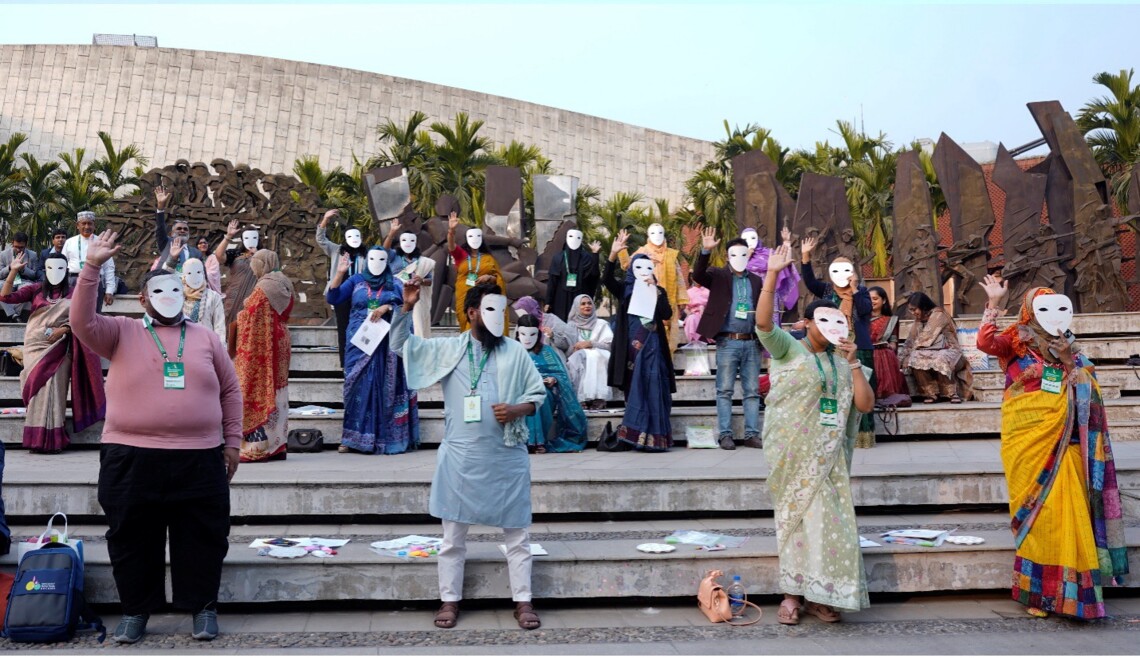
Figure 2: Art Therapy Workshop at the 17th Annual Conference of BACAMH
The conference also hosted a policy dialogue session involving key national stakeholders, including a representative from UNICEF. The dialogue focused on strengthening policy commitment to child and adolescent mental health, with discussions on increasing the overall mental health budget, enhancing social rehabilitation services, and expanding school-based mental health programmes. Participants emphasized the importance of active family involvement in the treatment and care of children, as well as strengthening the role of media in mental health awareness, stigma reduction, and responsible communication. The session underscored the need for coordinated, cross-sectoral efforts to translate evidence-based interventions into sustainable national policies and programmes.
The 17th Annual Conference of BACAMH reaffirmed the association’s commitment to advancing child and adolescent mental health through multidisciplinary collaboration, academic excellence, capacity building, and policy advocacy. The conference aligned closely with global child and adolescent mental health priorities and the mission of IACAPAP, emphasizing the importance of building resilient systems to safeguard the mental well-being of children and adolescents in times of crisis.
The conference concluded with a cultural programme, reflecting the integration of cultural expression and community engagement within mental health discourse.
This article represents the view of its author(s) and does not necessarily represent the view of the IACAPAP's bureau or executive committee.
