

Building Bridges Across Borders at AACAP 2025
By: Jill Zeigenfus Brafford, CMP, MTA, Chief of Learning and Strategic Initiatives, American Academy of Child & Adolescent Psychiatry
The American Academy of Child and Adolescent Psychiatry’s (AACAP) 2025 Annual Meeting in Chicago represented a resounding success. Attendees participated in-person and virtually from over 60 countries, reinforcing AACAP’s commitment to global child and adolescent mental health. The International Section’s programming showcased over 200 international speakers, both established and emerging leaders across borders. The celebration of our international awards, honoring young scholars and seasoned innovators alike, highlighted the outstanding contributions to our specialty worldwide.
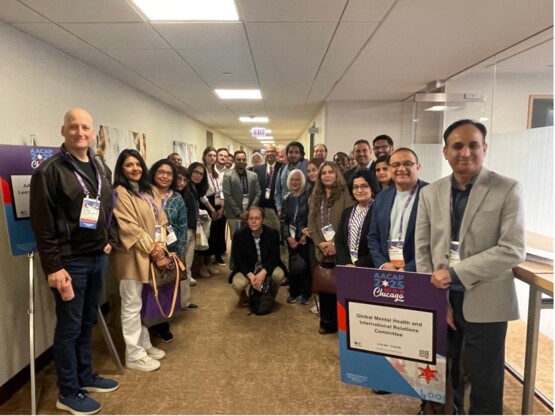
Figure 1: Participants from AACAP’s Global Mental Health and International Relations Committee
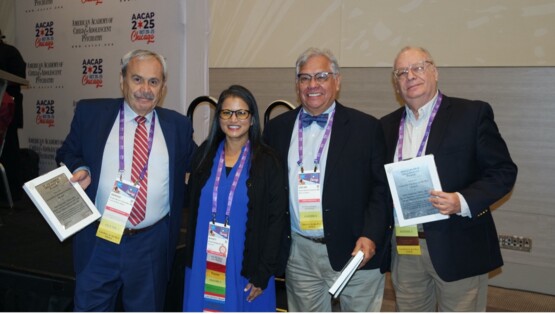
Figure 2: Saul Stepensky Tiktin, MD, Sergio Muñoz-Fernandez, MD, and Oscar Sánchez-Guerrero, MD, child and adolescent psychiatrists from Mexico, were awarded the AACAP Assembly Catchers in the Rye Award to an Individual
The international track of education was especially well received, highlighted by a packed meeting of AACAP’s Global Mental Health and International Relations Committee that reflected the strong interest in international collaboration and learning.
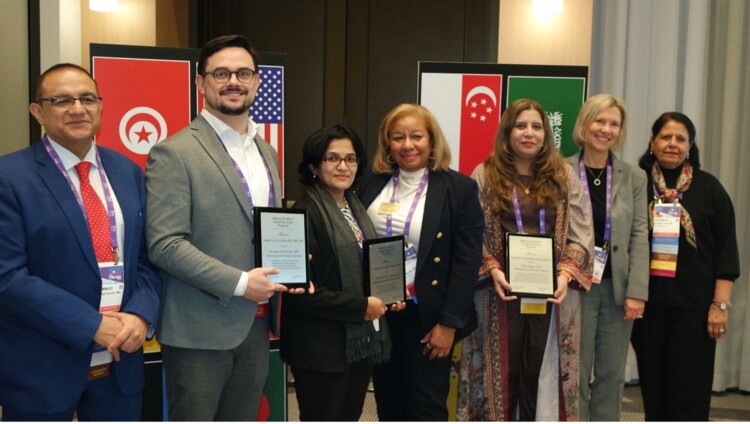
Figure 3: Saul Stepensky Tiktin, MD, Sergio Muñoz-Fernandez, MD, and Oscar Sánchez-Guerrero, MD, child and adolescent psychiatrists from Mexico, were awarded the AACAP Assembly Catchers in the Rye Award to an Individual

Figure 4: A Diwali Celebration, hosted by Local Arrangements Chair, Sudhakar Shenoy, MD
Energy and enthusiasm filled every international session. Attendees shared insights, research, and innovative practices that deepened understanding and built meaningful global connections. By featuring diverse perspectives and showcasing important work from across the world, the 2025 Annual Meeting reaffirmed AACAP’s role as a global leader committed to improving the mental health and well-being of children and adolescents everywhere.
This article represents the view of its author(s) and does not necessarily represent the view of the IACAPAP's bureau or executive committee.
